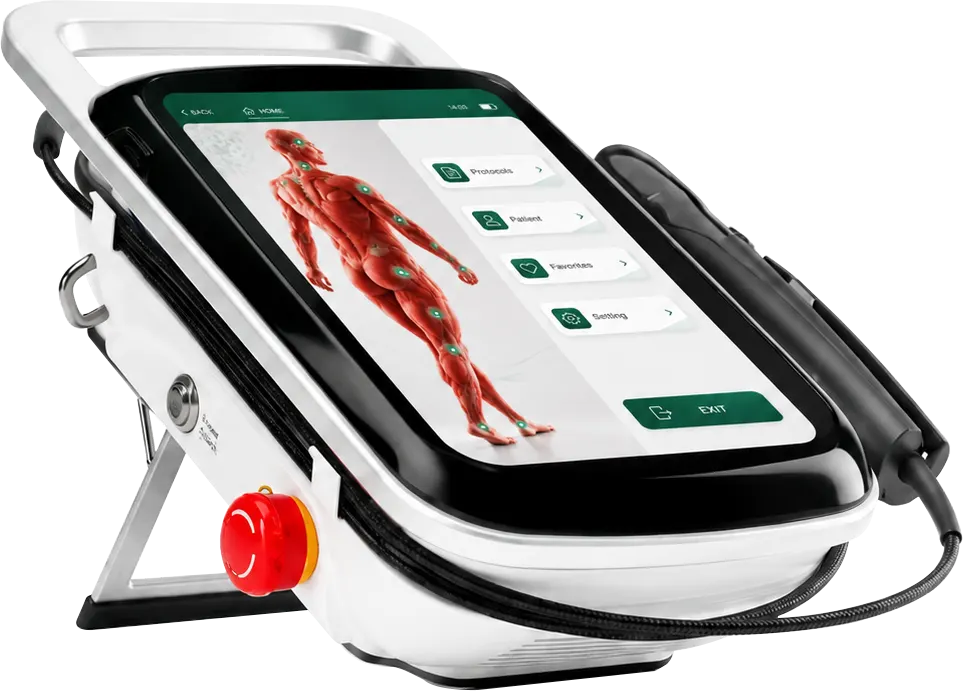
Class IV Therapy Laser for Human

Since receiving FDA 510(k) clearance for therapeutic applications, Class IV laser therapy has been increasingly adopted as a treatment option for musculoskeletal injuries.

The Ailucs diode laser system utilizes multi-wavelength lasers to stimulate tissue regeneration mechanisms, enhancing cellular metabolism and repair to optimize the healing process. Different wavelengths of laser light increase local reactive oxygen levels, promoting cellular repair and biological function recovery, while providing patients with a soothing and warm treatment experience.

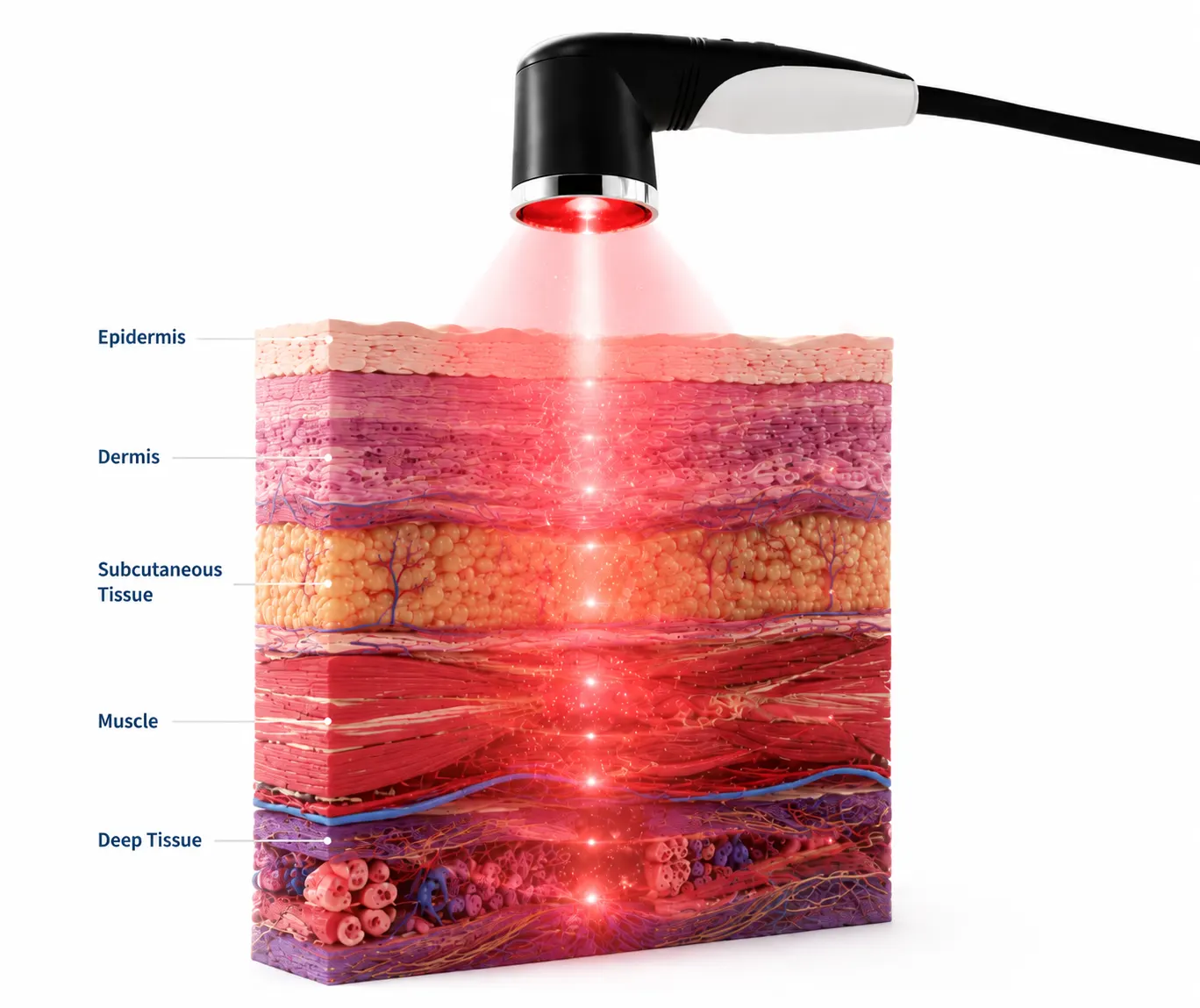
Moreover, Class IV high-power lasers penetrate deep tissues, fostering cell repair and boosting cellular energy, thereby supporting the body's natural healing process. Laser therapy addresses underlying cellular mechanisms of tissue repair, offering a complementary approach to traditional treatments and supporting sustained therapeutic outcomes.

How Class 4 Laser Therapy Works

Photobiomodulation: The Core Mechanism

The foundation of Class 4 laser therapy lies in photobiomodulation, a process where specific wavelengths of red and near-infrared light penetrate the skin and are absorbed by cellular components. This light energy primarily targets cytochrome c oxidase in mitochondria, triggering chemical changes that stimulate cellular activity and accelerate tissue repair.

Three Levels of Biostimulative Effects

Class IV laser therapy produces therapeutic benefits through three distinct biological responses. Primary effects occur when laser photons reach fibroblasts and cell membranes within approximately 4 centimeters of tissue depth. Secondary effects amplify cellular metabolism through cascade reactions, including increased cell membrane permeability and mitochondrial calcium release. Tertiary effects extend beyond treated areas as stimulated cells communicate with neighboring tissues through cytokines and growth factors, enhancing immune response and reducing inflammation.

ATP Production and Cellular Energy

The absorbed light energy significantly boosts adenosine triphosphate (ATP) production, the primary energy currency of cells. Higher ATP levels enable cells to perform essential functions including protein synthesis, collagen production, and cell regeneration. This acceleration of cellular metabolism enhances healing of muscles, ligaments, tendons, and cartilage.

Nitric Oxide Release and Vasodilation

Laser exposure stimulates nitric oxide production through photolysis of heme proteins including hemoglobin and cytochrome c oxidase. Nitric oxide causes arteriolar dilation, widening small blood vessels and significantly increasing microcirculation. This improved blood flow delivers oxygen and nutrients to injured areas while facilitating waste removal, creating an optimal healing environment.

Clinical Advantages of Class IV Laser Therapy Treatment

Accelerated Tissue Healing

Class 4 laser therapy may promote tissue regeneration by stimulating cellular repair mechanisms at the molecular level through photobiomodulation. A 2023 systematic review and meta-analysis published in the Journal of Clinical Medicine found that high-intensity laser therapy (HILT) produced significant improvements in function (SMD = -1.0, 95% CI: -1.4 to -0.7) and range of motion (SMD = 1.1, 95% CI: 0.6 to 1.7) across 48 randomized controlled trials involving 3,107 patients with musculoskeletal disorders.

Pain and Inflammation Reduction

The therapy may reduce pain through multiple physiological pathways. Research suggests increased endorphin synthesis combined with modulation of inflammatory mediators may contribute to analgesic effects. The 2023 meta-analysis reported a mean difference of -1.3 cm (95% CI: -1.6 to -1.0) on the Visual Analog Scale (VAS) for pain relief, with HILT vs. control showing greater effects (MD = -1.9 cm) compared to HILT vs. other treatments (MD = -0.7 cm). Anti-inflammatory effects may include reduction of swelling and edema through improved microcirculation and lymphatic drainage, though individual responses may vary.

Improved Range of Motion

Patients may experience enhanced joint mobility following treatment. By addressing tissue hypoxia and promoting vasodilation through nitric oxide pathways, Class 4 laser therapy supports restoration of functional movement. Clinical evidence shows particular efficacy for knee and shoulder conditions, with effect sizes varying by anatomical location and treatment parameters.

Clinical Advantages of Class IV Laser Therapy Treatment

Non-Invasive and Drug-Free Treatment

Class 4 laser treatment is a non-invasive modality that does not require incisions or pharmaceutical interventions. Patients typically experience a gentle warming sensation during sessions. FDA 510(k) clearance has been granted for specific therapeutic indications, supporting its use as an adjunctive treatment option for certain musculoskeletal conditions.

Generally Well-Tolerated Treatment Experience

Clinical studies report high tolerability with minimal adverse events. Among 48 randomized controlled trials reviewed in the 2023 meta-analysis, only one allergic reaction to HILT was documented across 3,107 participants. Treatment dropout rates were low (3.96%), suggesting good patient acceptance. However, comprehensive safety reporting remains incomplete in published literature, with only 37.5% of studies explicitly documenting adverse events.

Evidence-Based Applications for Musculoskeletal Conditions

Research supports efficacy for specific musculoskeletal disorders. The 2023 meta-analysis identified strongest evidence for knee conditions (SMD = -3.4 for function) and shoulder disorders (SMD = -2.1 for function), both statistically significant (p<0.001). The evidence quality was rated as low for pain outcomes and moderate for functional outcomes. Effects vary by condition, with limited evidence for temporomandibular joint and foot conditions.

Potential to Reduce Pharmaceutical Dependence

As an adjunctive or alternative therapy, Class 4 laser treatment may decrease reliance on oral analgesics for some patients. The non-pharmacological mechanism of action offers an option for individuals seeking to minimize medication use, particularly for chronic musculoskeletal conditions. Clinical decisions regarding medication reduction should involve healthcare provider consultation.

Efficient Treatment Application

Treatment sessions typically require 5 to 20 minutes depending on the treatment area and condition. The higher power output of Class IV lasers (0.5 to 10 watts) enables faster energy delivery compared to lower-class devices. For example, treating large areas such as the lumbar region (100-400 cm²) requiring 400-4,000 joules can be completed in under 10 minutes, whereas Class III devices might require significantly longer treatment times.

Favorable Safety Profile with Appropriate Use

When administered by trained professionals following established protocols, Class 4 laser therapy demonstrates a favorable safety profile. The therapy exhibits a biphasic dose-response relationship, emphasizing the importance of proper dosing parameters. Essential safety measures include wavelength-specific protective eyewear for both patient and practitioner, controlled treatment environments, and adherence to FDA-cleared indications.

Alternative for Patients with Limited Response to Conventional Therapies

Class 4 laser therapy may provide therapeutic benefit for patients who have not achieved satisfactory outcomes with other conservative treatments. The distinct mechanism of photobiomodulation offers a different physiological approach to tissue healing and pain management. Clinical evaluation is necessary to determine appropriateness for individual cases, and treatment should be integrated within comprehensive care plans.

Dose-Dependent Efficacy with Optimizable Parameters

Research indicates therapeutic outcomes vary with treatment parameters. The dose-response relationship in photobiomodulation suggests that optimal therapeutic effects depend on appropriate energy delivery to target tissues. Individualized treatment protocols based on clinical presentation, condition type, and tissue depth are recommended for best outcomes.

Important Note: The clinical advantages described are based on published research evidence, including a 2023 systematic review and meta-analysis by Arroyo-Fernández et al. published in the Journal of Clinical Medicine (n=3,107 patients, 48 RCTs). Individual results may vary, and treatment decisions should be made in consultation with qualified healthcare providers. The evidence quality ranges from low to moderate for pain outcomes, and moderate for functional outcomes and range of motion, with high heterogeneity noted. Further high-quality randomized controlled trials are needed to strengthen recommendations.

Clinical Applications and Conditions Treated

Musculoskeletal Disorders

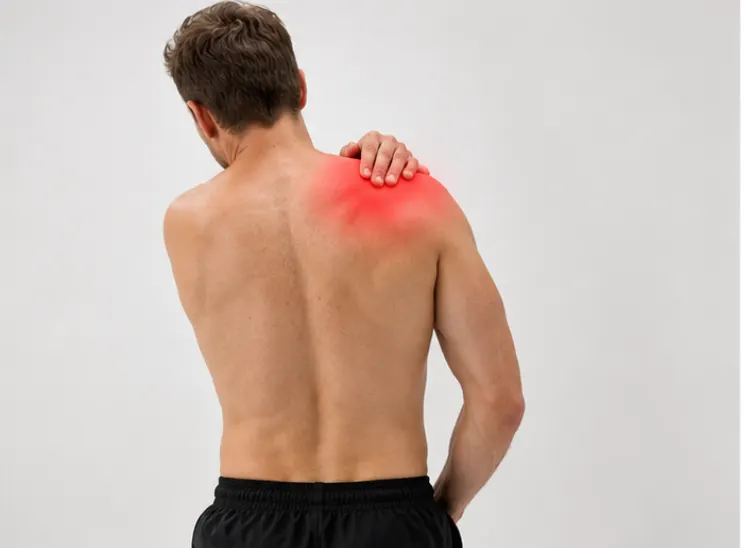
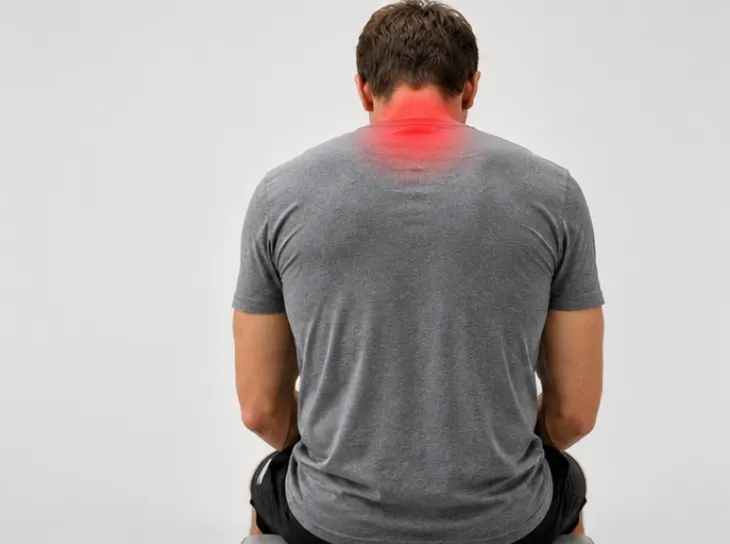
Clinical studies suggest Class 4 laser therapy may help alleviate symptoms associated with arthritis, tendonitis, and chronic joint pain. The deep penetration capability reaches joint tissues to promote collagen production and support functional restoration. Some patients may experience symptom relief following initial treatments, though individual responses vary, with continued improvement throughout the treatment course.

Nerve Regeneration and Neuropathy

Research indicates potential benefits of Class 4 laser therapy for managing symptoms of peripheral neuropathy and diabetic neuropathy. Enhanced ATP production and improved microcirculation may help reduce symptoms including numbness, burning sensations, and tingling while supporting nerve repair processes.

Sports Injuries and Post-Surgical Recovery

Athletes and surgical patients benefit from accelerated healing of soft tissue injuries, tendons, and ligaments. The treatment minimizes scarring, reduces downtime, and supports comprehensive recovery, making it valuable in sports medicine and rehabilitation settings.

Chronic Pain Management

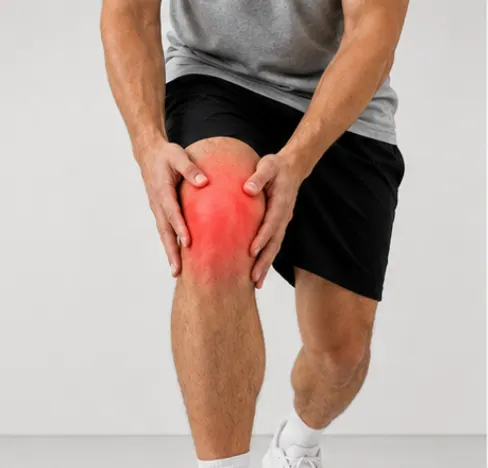
Conditions including tennis elbow, chronic knee pain, Achilles tendonitis, and wrist pain respond well to Class 4 laser therapy. The treatment can be combined with other therapeutic modalities such as dry needling for enhanced outcomes.

Treatment Protocol and What to Expect

Session Duration and Frequency

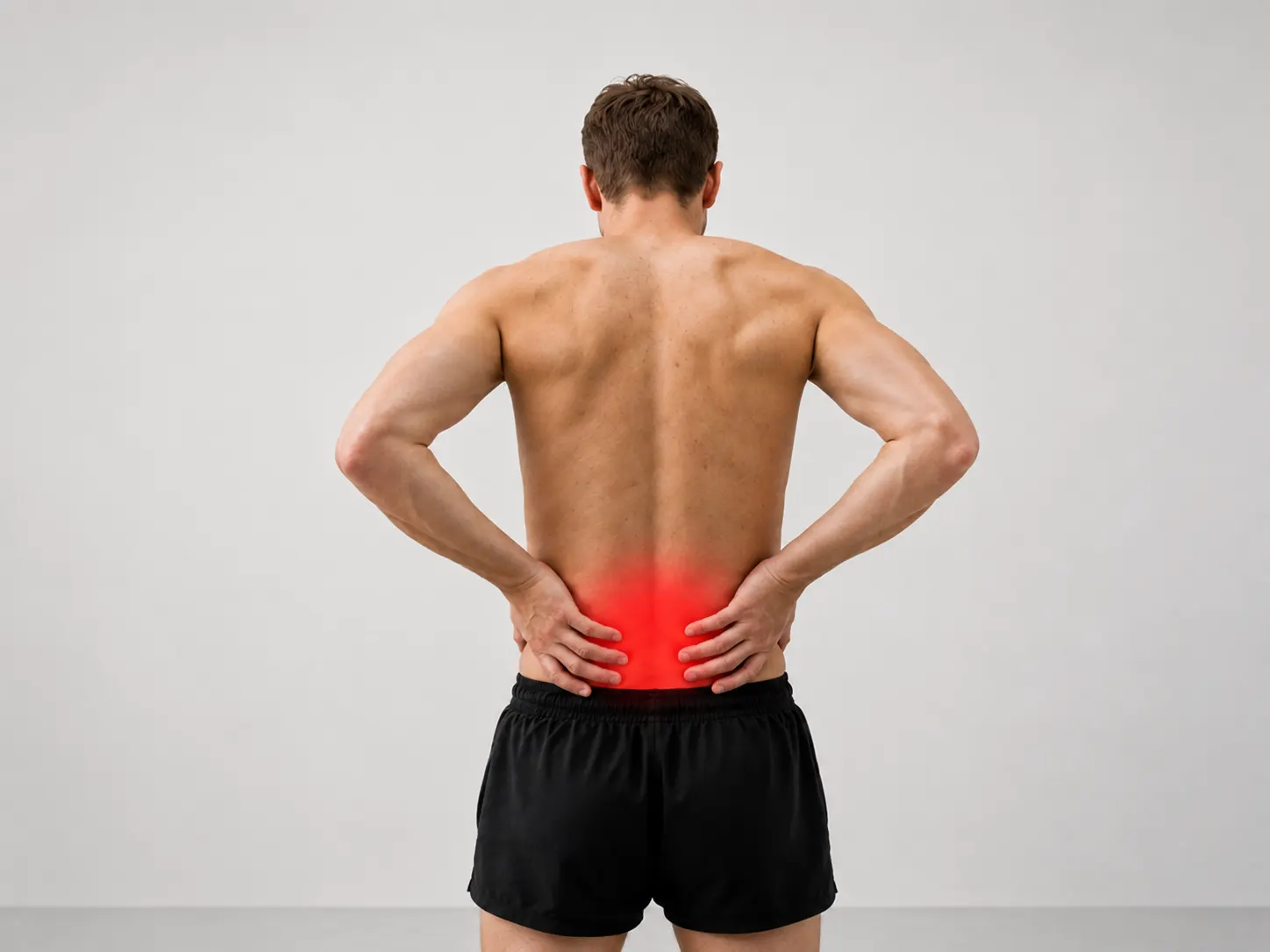
Individual treatment sessions typically last between 5 and 20 minutes depending on the condition and treatment area size. A standard protocol consists of 5 to 12 sessions scheduled 2 to 3 times per week. The high power output of Class 4 lasers enables faster treatment times compared to lower-power alternatives, with large areas like the lower back treatable in under 10 minutes.

Patient Experience

During treatment, patients typically experience a gentle warming sensation with minimal discomfort. The non-invasive nature allows multiple body areas to be treated within a single session. Some patients may report immediate symptom relief and improved mobility, with cumulative benefits developing throughout the treatment course.

Frequency-Specific Applications

Advanced Class 4 laser systems may utilize different pulse frequencies to target specific therapeutic outcomes. Lower frequencies (typically 2-10 Hz) are commonly used for analgesic effects, while various pulsing protocols may support anti-inflammatory and tissue healing processes. The therapeutic effects vary depending on the specific condition, treatment parameters, and individual patient response.

Safety Considerations and Precautions

Eye Protection Requirements

Class 4 lasers pose significant eye safety risks including potential retinal burns from direct or reflected exposure. Both patients and practitioners must wear wavelength-specific protective eyewear throughout treatment. The invisible nature of infrared laser light eliminates natural blink reflex protection, requiring strict adherence to safety protocols.

Skin Safety and Thermal Management

While the therapy generates therapeutic heat, proper dosing and appropriate technique help prevent skin burns. Treatment parameters are adjusted based on tissue depth and condition. Caution should be exercised when treating over metal implants, and practitioners should follow established safety protocols for specific anatomical locations.

Regulatory Compliance

Clinical use of Class 4 lasers requires compliance with FDA regulations and safety standards. Treatment must occur in controlled environments with designated laser safety officers overseeing protocols. All personnel in treatment areas require appropriate protective equipment and training.

Integration with Chiropractic Care

Class 4 laser therapy complements chiropractic adjustments by addressing healing at the cellular level while spinal manipulation corrects structural alignment. This combined approach may enhance pain relief outcomes and improve functional results compared to either treatment alone. Family chiropractic practices increasingly incorporate laser therapy alongside rehabilitative exercises to optimize patient outcomes across all age groups.

Future of Class 4 Laser Therapy

Technological advances continue to enhance Class 4 laser capabilities through adjustable power levels, optimized wavelengths, and personalized dosing protocols. Growing acceptance within medical and chiropractic communities reflects an accumulating body of clinical research and positive patient outcomes. As research expands treatment indications and technology improves accessibility, Class 4 laser therapy represents an increasingly valuable tool for comprehensive musculoskeletal care and drug-free healing.

Conclusion

Class 4 laser therapy offers a non-invasive approach to pain management and tissue healing supported by clinical research. Through photobiomodulation, ATP enhancement, and improved microcirculation, this technology addresses the underlying cellular mechanisms of injury and recovery. For patients seeking relief from chronic pain, sports injuries, or post-surgical recovery, Class 4 laser therapy provides a therapeutic option that continues to evolve with advancing medical technology.

References & Further Reading

  1. Arroyo-Fernández R, et al. (2023). "High-Intensity Laser Therapy for Musculoskeletal Disorders: A Systematic Review and Meta-Analysis of Randomized Clinical Trials." Journal of Clinical Medicine, 12(4), 1479. PMC9963402.
  2. Hamblin MR. (2017). "Mechanisms and applications of the anti-inflammatory effects of photobiomodulation." AIMS Biophysics, 4(3), 337-361.
  3. Dompe C, et al. (2020). "Photobiomodulation—Underlying Mechanism and Clinical Applications." Journal of Clinical Medicine, 9(6), 1724.
  4. U.S. Food and Drug Administration. "510(k) Clearances." FDA Medical Device Database.
  5. World Association for Laser Therapy (WALT). "Recommended treatment guidelines for Low Level Laser Therapy."
Sending