Laser Therapy for Animal Rehabilitation

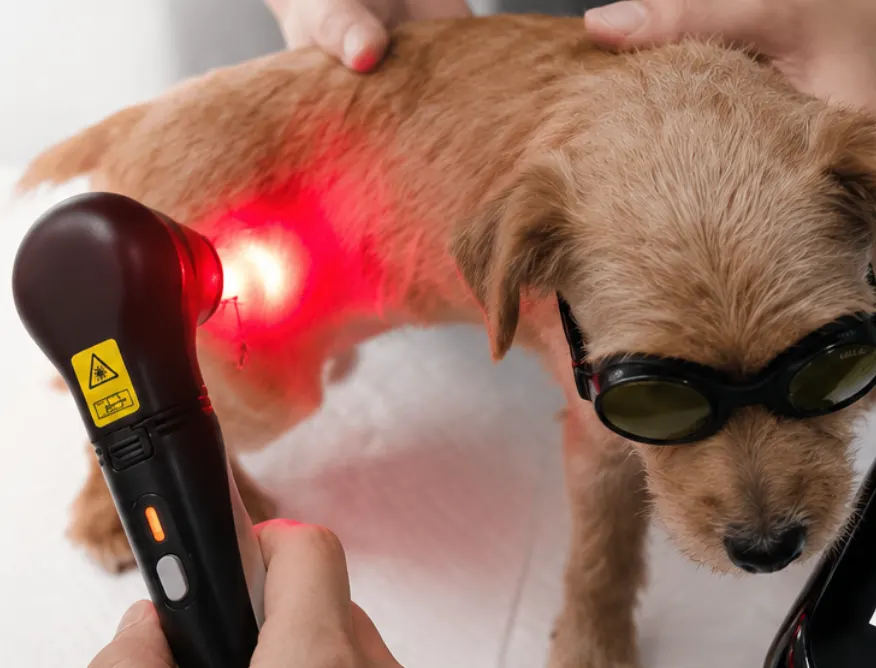
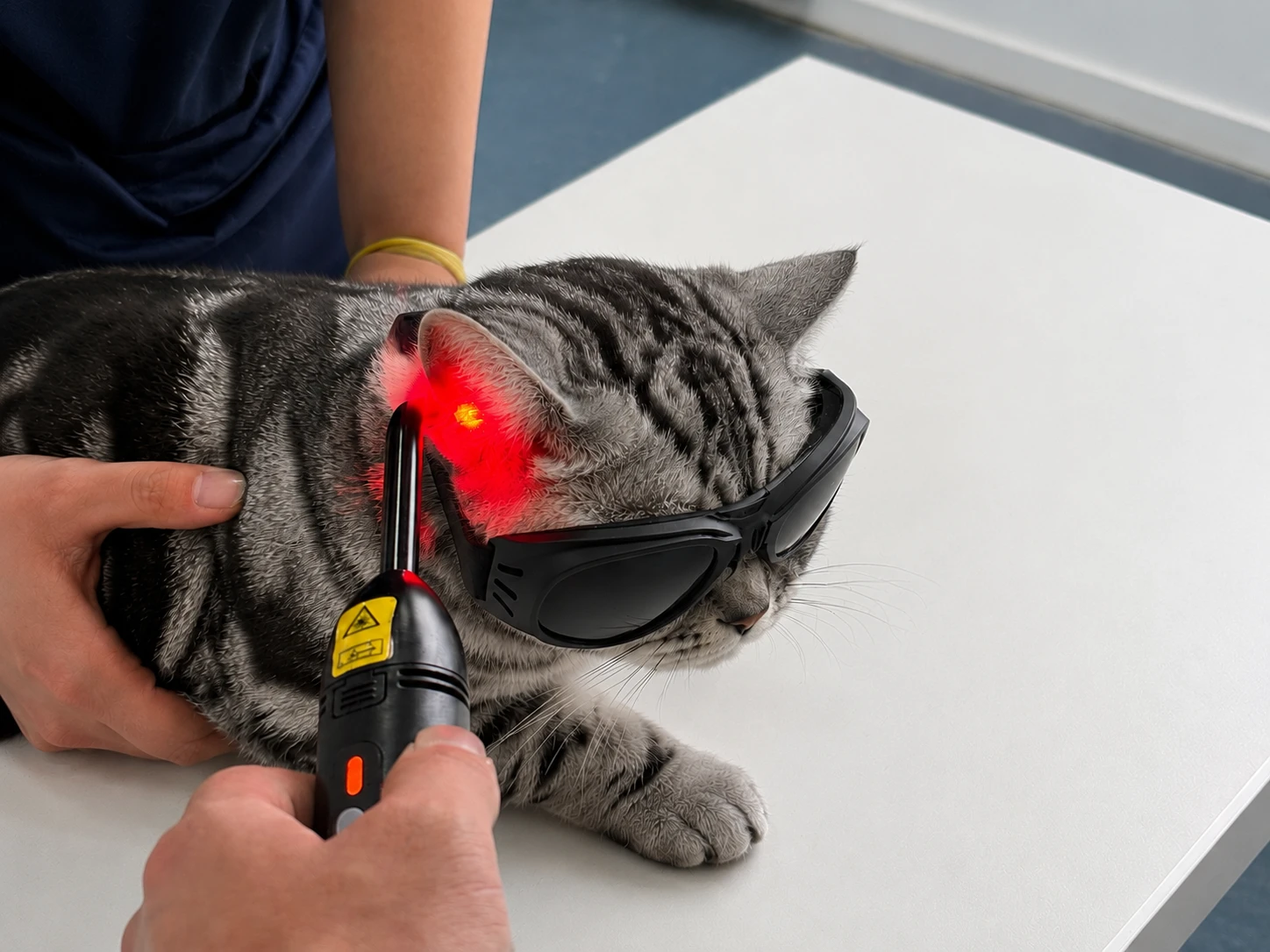
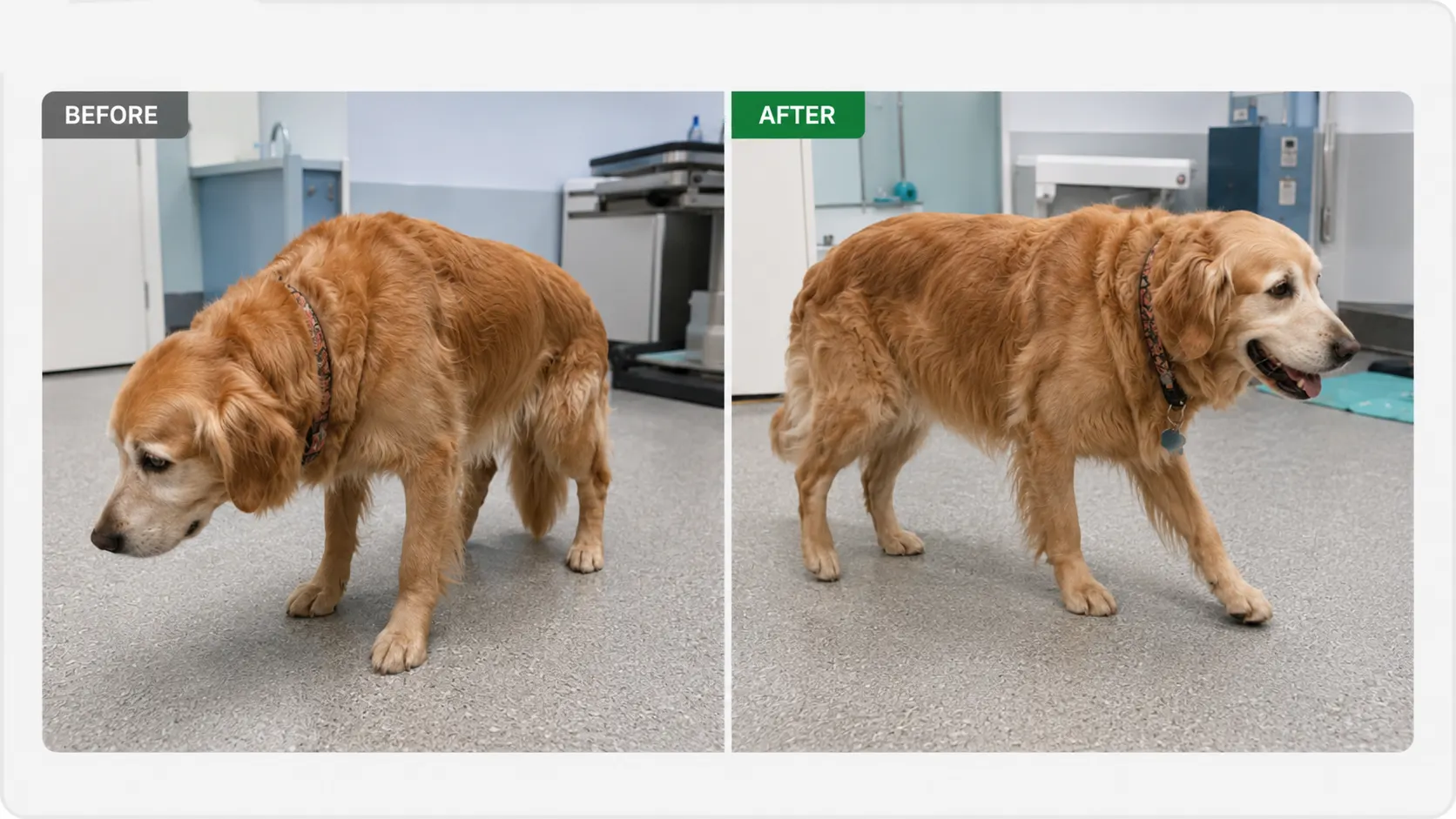
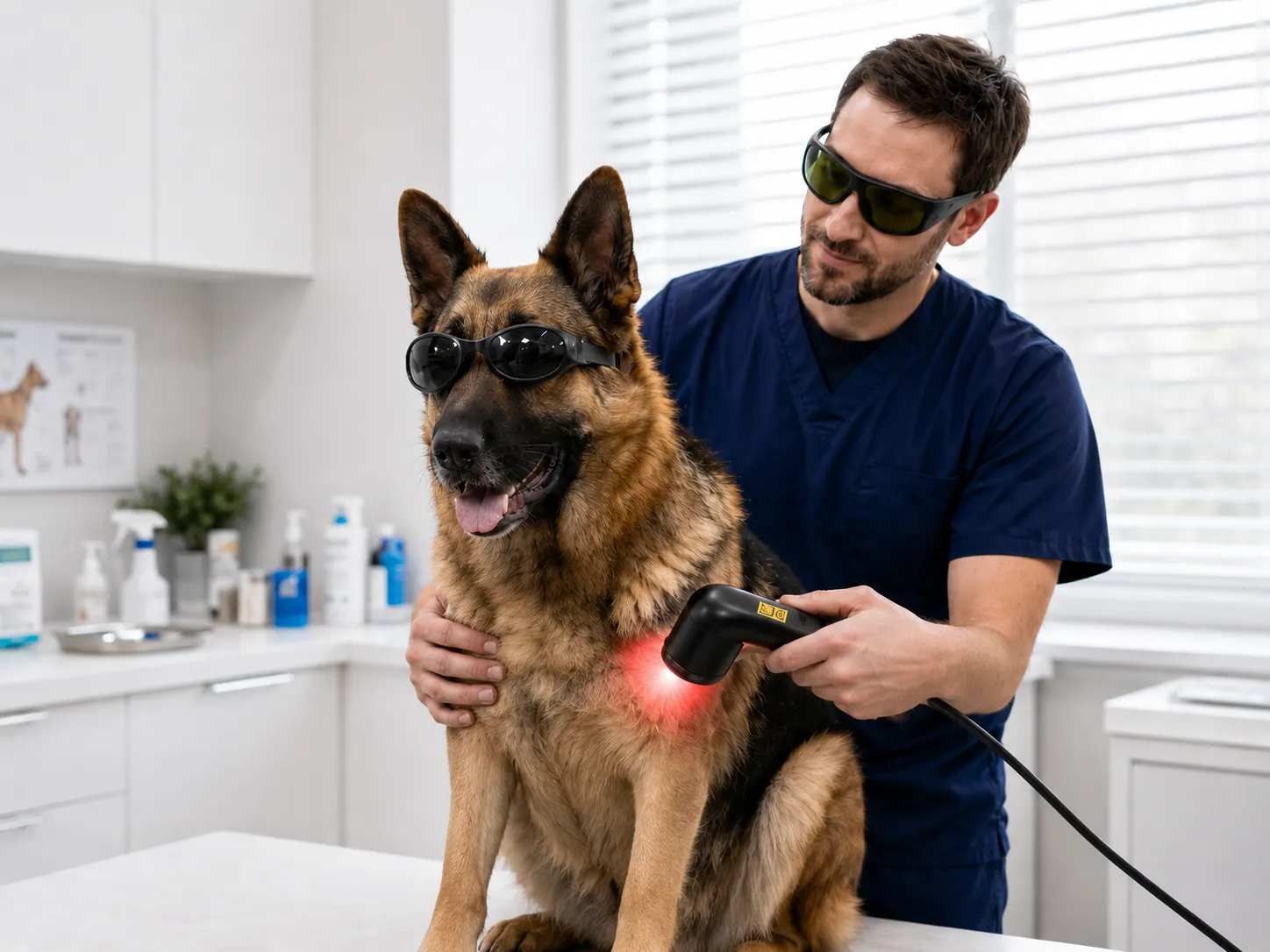
Laser therapy plays a key role in animal rehabilitation by accelerating recovery, reducing pain, and promoting faster healing. This non-invasive treatment helps veterinarians design effective rehabilitation plans to restore mobility, enhance muscle and joint function, and support post-surgery recovery.

Laser treatment can be applied before surgery, after an injury, or during follow-up care. The most effective approach is to start treatment as soon as the injury occurs, continuing throughout the recovery process. Post-recovery, maintenance laser therapy helps animals maintain strength, flexibility, and overall health, ensuring they stay active and healthy.

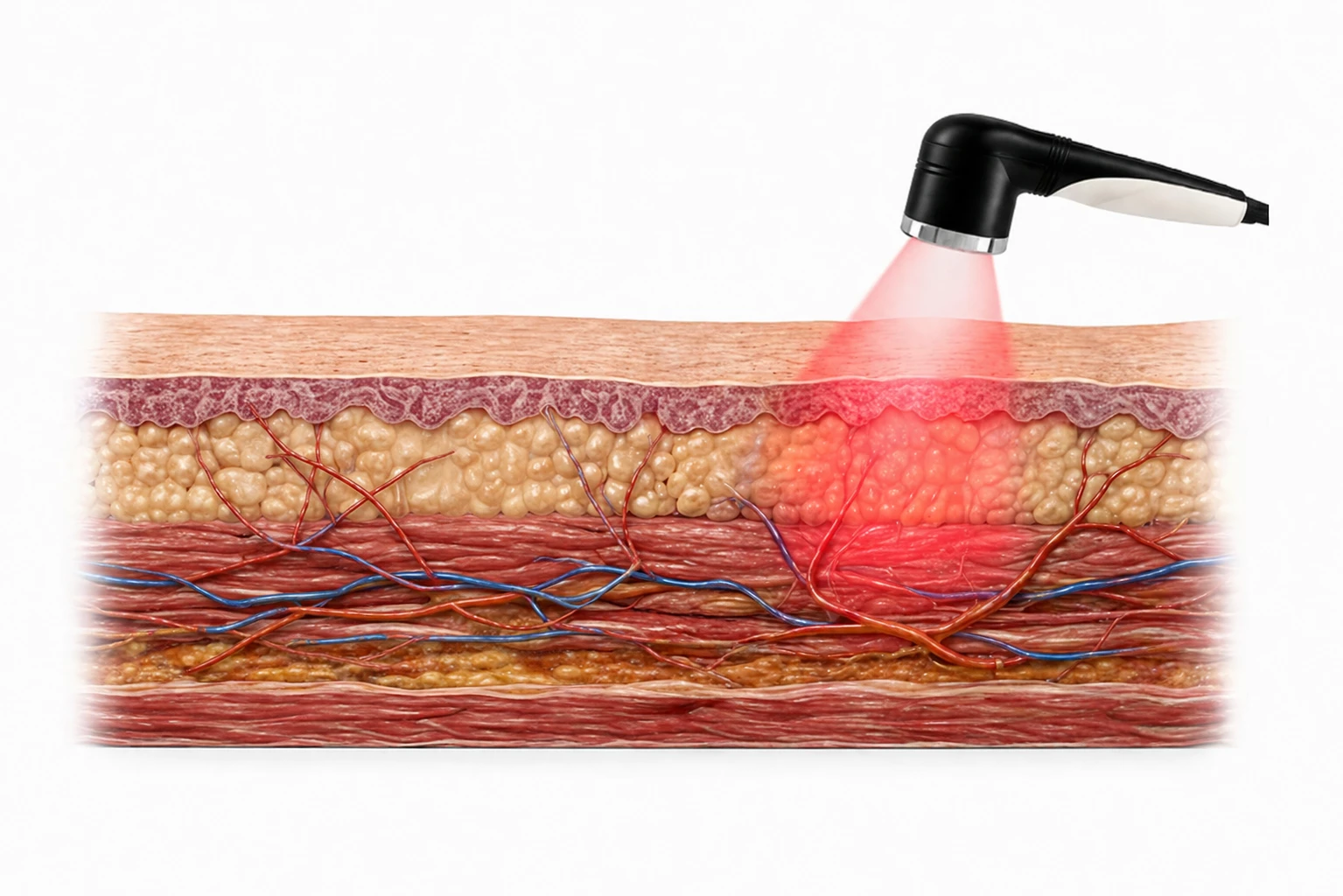
How Class IV Laser Therapy Works

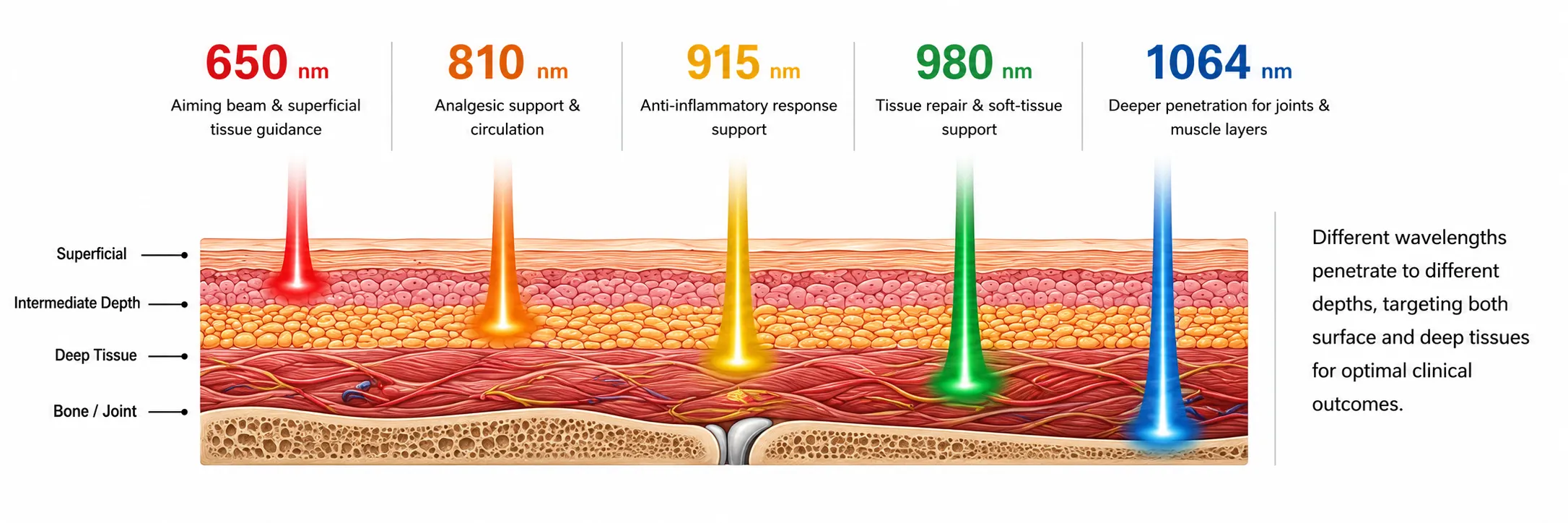
Class IV therapeutic lasers deliver higher power levels than low-level laser devices, allowing deeper tissue penetration and more effective treatment for musculoskeletal injuries and chronic conditions.

  • Stimulates cellular metabolism
  • Increases blood circulation
  • Reduces inflammation
  • Accelerates tissue repair
  • Provides analgesic effects

These biological effects make laser therapy an ideal solution for both acute injuries and chronic diseases in veterinary medicine.

Laser Therapy for Animal Rehabilitation

Veterinary Laser Therapy Applications

This innovative device has the potential to reduce or even eliminate the need for medications, injections, surgeries, or other invasive procedures.

Veterinary Laser Therapy for Pain Relief & Rehabilitation

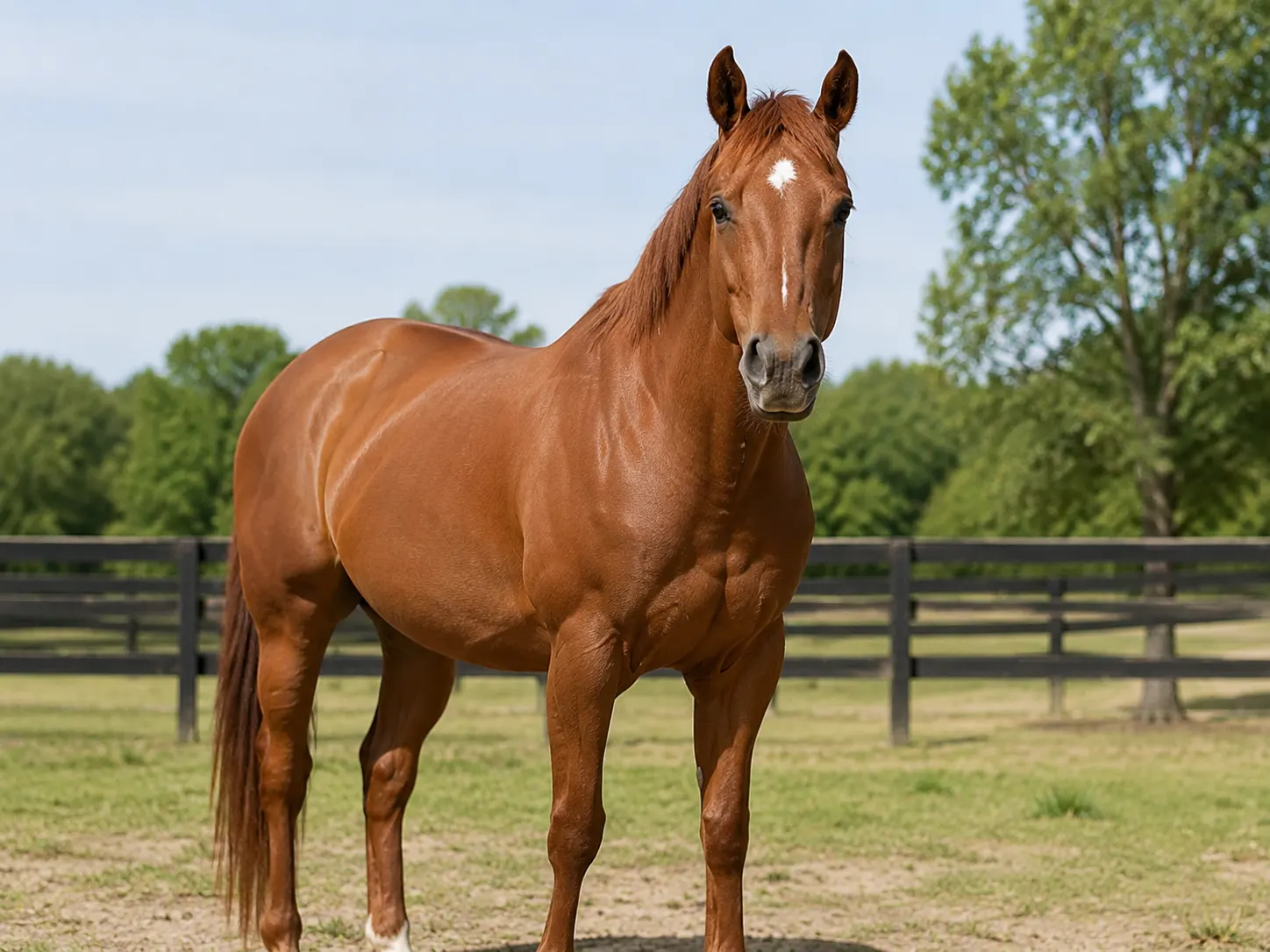
Joint pain, postoperative pain, muscle strain tendinopathy, joint dysplasia, osteoarthritis, degenerative joint disease, lameness, nerve injuries, acupuncture

Veterinary Laser Therapy for Wound Healing & Tissue Repair

Wound healing, edema and congestion burns, bite wounds, chronic wounds.

Veterinary Laser Therapy for Internal Inflammatory Conditions

Cystitis, pancreatitis, pneumonia, enteritis, feline asthma.
Technical-img

Veterinary Laser Treatment for Skin & Dermatological Conditions

Otitis, lick granuloma, acute moist/purulent dermatitis, perianal fistula, perianal abscesses, pododermatitis, excision of benign or malignant skin tumors.

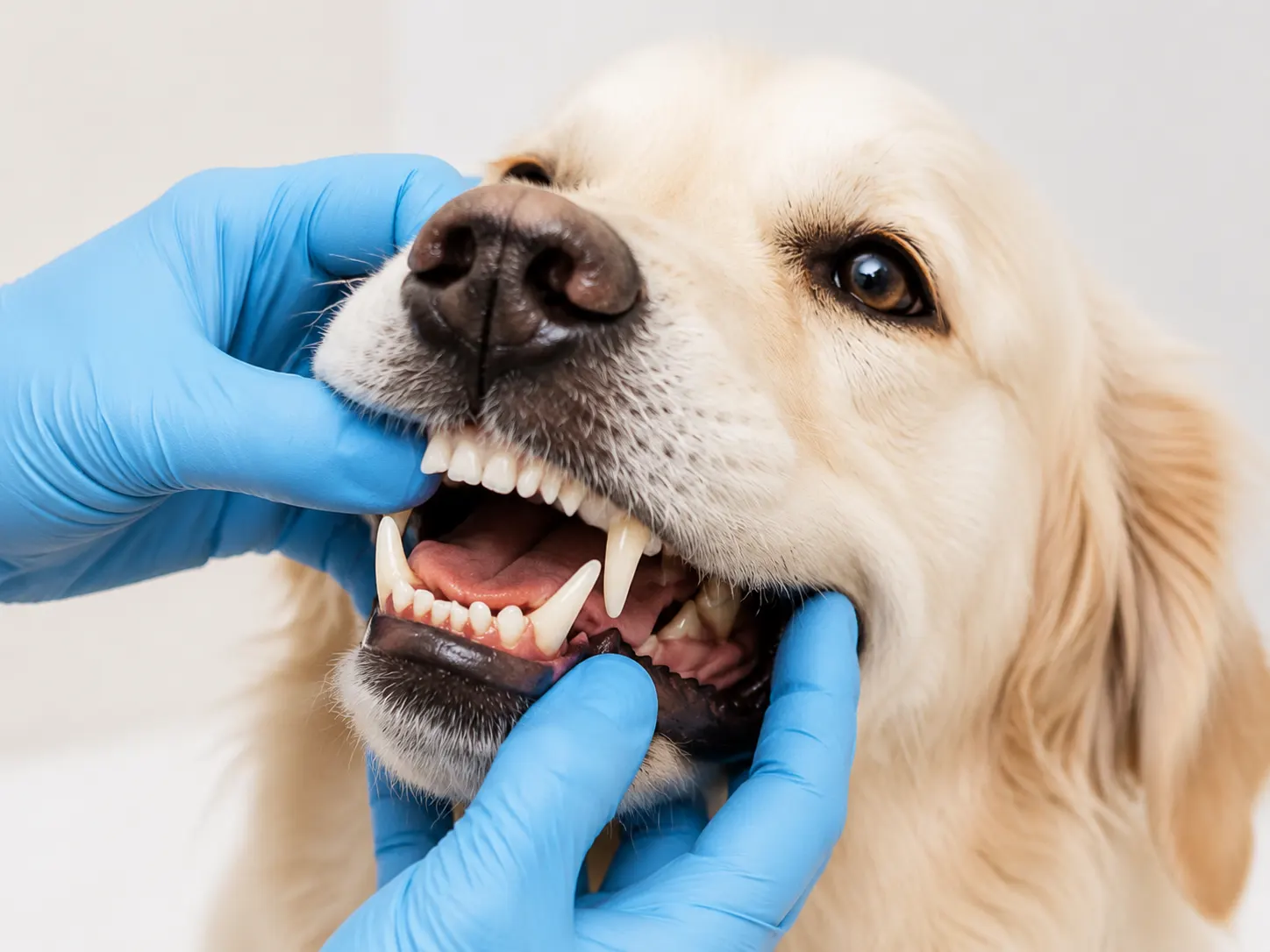
Veterinary Dental Laser Therapy for Oral & Periodontal Diseases

Feline stomatitis, gingivitis, gingival hyperplasia, endodontic diseases, excision of oral tumors.
Clinical Advantages of Veterinary Laser Therapy

Clinical Advantages of Veterinary Laser Therapy

  • Reduces inflammation
  • Relieves pain
  • Accelerates tissue repair
  • Improves circulation
  • Prevents excessive scar tissue
  • Enhances nerve function
  • Boosts immune response
  • Speeds up wound healing

Frequently Asked Questions

When used by trained veterinary professionals, laser therapy is considered safe and well tolerated by animals. Most treatments are painless, and many pets experience a soothing warming sensation during therapy. Protective eyewear is typically used for both the veterinarian and the animal to ensure safety during treatment.
Treatment time usually ranges from 3 to 10 minutes depending on the size of the treatment area and the condition being treated. Many animals begin to show improvement after only a few sessions.
The number of sessions depends on the condition being treated. Acute injuries may improve within a few treatments, while chronic conditions may require ongoing therapy.
In some cases, laser therapy can reduce the need for medication, but treatment plans should always be determined by a veterinarian.
No. Most animals find the treatment relaxing and comfortable.
Sending