Veterinary Laser Therapy Systems Manufacturer

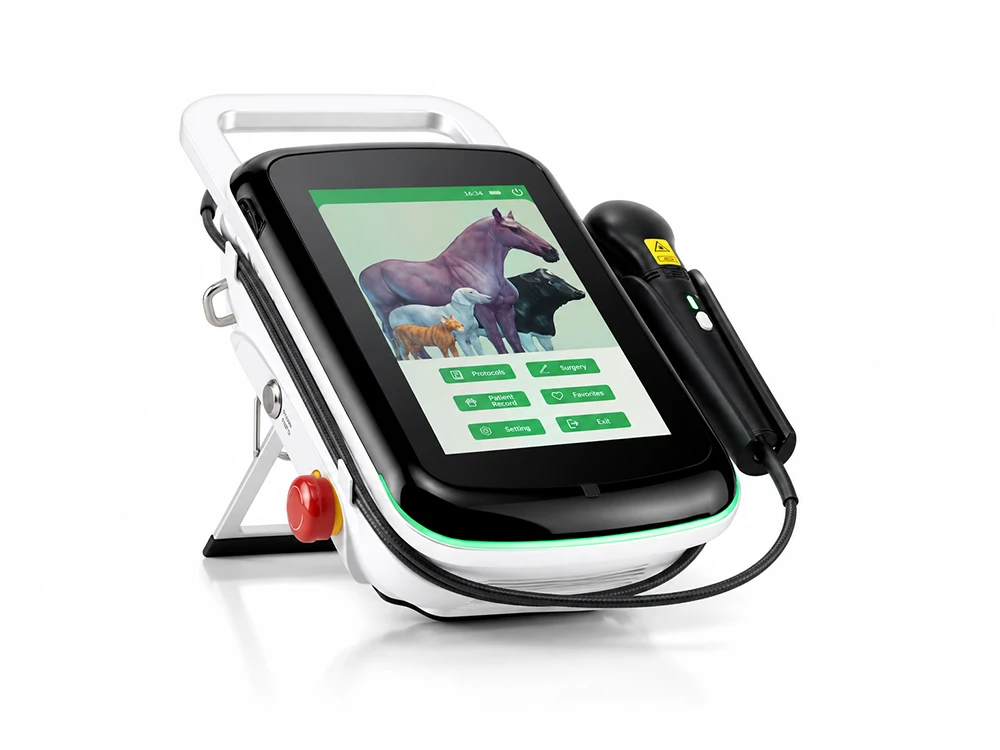
LYRA Therapy & Surgical Laser

Leading veterinary laser integration system, making your every treatment more efficient and professional.

Explore Our Services

REX Professional-ClasslV Laser Therapy

Ultra Portable Ultra Smart Ultra Powerful

Explore Our Services

LYRA Veterinary Laser

Smart Design. Reliable Results. Everyday Care.

Lyra is the world’s most innovative therapy laser for animals. With its exceptional power and wavelength coverage, it effectively addresses a wide range of health issues in small animals. Whether it's reducing inflammation, relieving pain, or accelerating healing, Lyra achieves faster and more effective results, providing a comprehensive and reliable solution for animal recovery.


  • 26W Peak Power
  • Ultra-Quiet Operation
  • Clinic & Mobile Use Compatible
  • Wide Species Compatibility
Learn more
LYRA Veterinary Laser
rex-veterinary-laser

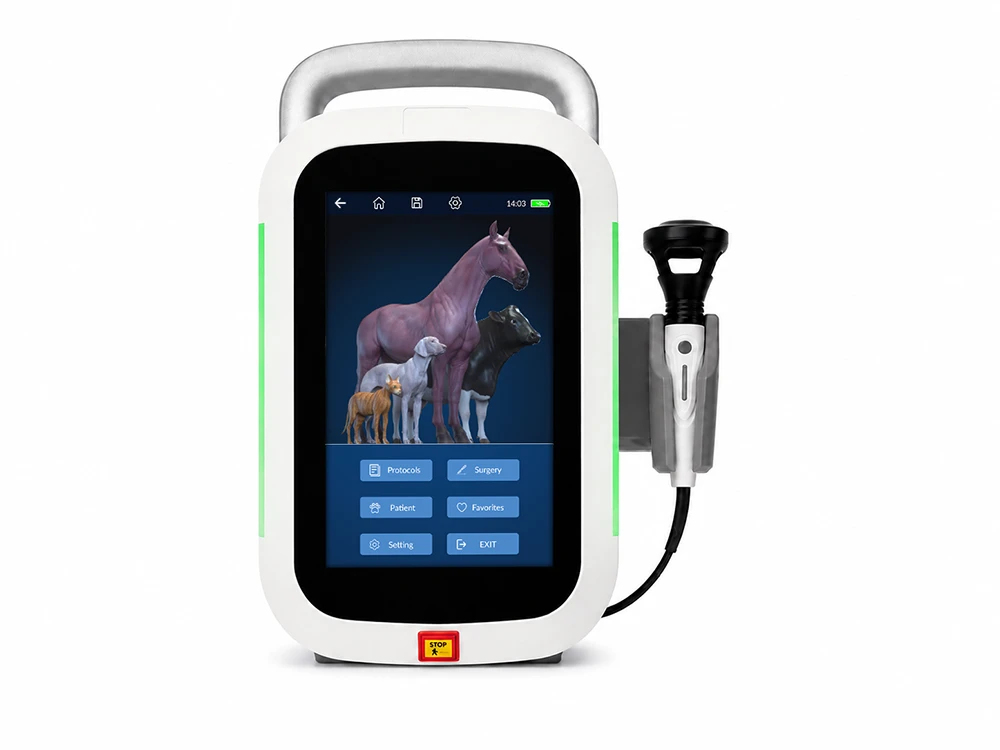
REX — Power to Heal. Precision for Professionals.

REX is a flagship veterinary laser system designed for high-demand clinical environments. With an impressive 58W peak power, intelligent energy control, and a proprietary multi-wavelength chip, REX delivers deeper penetration and faster results — whether in equine rehab, surgical recovery, or intensive pain management, REX is the ultimate tool for professionals who demand more.

Learn more
  • 58W Peak Power
  • 4000+ Expert Proven Presets
  • 3D Visual Guidance
  • Calm Therapy Mode
  • 10.1-inch HD Color Touchscreen
  • Rechargeable Battery
  • Lightweight & Travel-Friendly
  • Extended Battery Life
veterinary laser

Subscribe to our newsletter

Our passion for customer excellence is just one reason why we are the market leader. We've always worked very hard to give our customers the best experience.

Subscribe now

Frequently Asked Questions

Laser therapy, also known as "photobiomodulation," involves using light of specific wavelengths to achieve therapeutic effects. Its main functions include promoting blood circulation, enhancing metabolic activity, increasing red blood cell activity to release more oxygen, and accelerating ATP production, which boosts cellular activity and supports the body's natural healing process.
During laser treatment, the animal typically doesn't experience any discomfort. Most of the time, the treatment is sensation-free, though occasionally the animal may feel a mild warmth or slight tingling, particularly in areas that are painful or inflamed. These sensations are usually brief and gentle, and do not cause any discomfort.
Laser therapy has a wide range of indications and can be applied to most areas of the body. However, there are some contraindications, such as not using it on bleeding areas, tumors, or locations where injections have been administered.
The treatment time is short because laser therapy uses a Class IV laser, which emits wavelengths and frequencies that are highly absorbable by the body, far more effective than infrared light. This efficient energy transfer allows the laser to achieve better results in a shorter amount of time.
Laser therapy uses non-ionizing radiation, which is not harmful to humans. Neither the operator nor the pet owner needs to wear special protective clothing. The laser is also safe for pets, even during pregnancy. However, it should not be applied directly to the uterus, and care should be taken to avoid the reproductive organs such as the ovaries and testicles.
what is laser therapy

Animal Laser Clinical

Similar to acupuncture, massage therapy, and other alternative treatments, laser therapy can be utilized as an alternative or complementary approach to medication for pain management, reducing inflammation, and aiding in wound healing.

Class 3B vs Class IV Lasers: A Scientific Guide to Veterinary Laser Therapy Selection

Class 3B vs Class IV Lasers: A Scientific Guide to Veterinary Laser Therapy Selection

This scientific guide clarifies the core differences between Class 3B and Class IV lasers for veterinary laser therapy, covering their power output definitions, photobiomodulation-based mechanisms of action and distinct clinical applications.

LYRA Laser Device: Full-Process Support from Laser Surgery to Postoperative Rehabilitation

LYRA Laser Device: Full-Process Support from Laser Surgery to Postoperative Rehabilitation

As clinical cases become increasingly complex, the veterinary industry is placing higher demands on laser systems—favoring solutions that are portable, multi-wavelength, and capable of supporting multiple clinical scenarios.

Why Are More Veterinarians Choosing Laser Therapy?

Why Are More Veterinarians Choosing Laser Therapy?

Why are more veterinarians choosing veterinary laser therapy? This non-invasive, drug-free treatment stimulates cellular repair, reduces inflammation & relieves pain for pets with soft tissue injuries, osteoarthritis & post-op recovery. A safe complementary option to traditional veterinary care.

When is it suitable to use laser therapy after a pet is injured?

When is it suitable to use laser therapy after a pet is injured?

In modern veterinary medicine, Pet Laser Therapy has evolved from a purely “supportive rehabilitation option” into an integral component of multimodal treatment strategies. Whether addressing acute injuries, post-surgical recovery, or long-term management of chronic conditions, laser therapy serves different clinical purposes at different stages of healing.

Laser Therapy for Canine Pain Management: A Multimodal Approach Beyond Long-Term Medication

Laser Therapy for Canine Pain Management: A Multimodal Approach Beyond Long-Term Medication

Today, veterinary laser therapy is increasingly recognized by veterinary professionals as a supportive, non-pharmacological approach that may help reduce the intensity and frequency of medication use, rather than directly replacing drug therapy.

Class 4 Laser Therapy: A “Deep-Tissue” Phototherapy Option for Animal Osteoarthritis

Class 4 Laser Therapy: A “Deep-Tissue” Phototherapy Option for Animal Osteoarthritis

In recent years, Class 4 Laser Therapy has gained increasing attention in veterinary rehabilitation as a high-power, non-invasive physical therapy modality, offering a new approach for the long-term management of animal osteoarthritis.

Treatment Area Assessment: The First Critical Decision in Veterinary Laser Therapy Outcomes

Treatment Area Assessment: The First Critical Decision in Veterinary Laser Therapy Outcomes

This article highlights treatment area assessment as the critical first step for effective veterinary laser therapy outcomes. It analyzes key factors: skin/coat pigmentation, coat length/density and target tissue depth/type, provides evidence-based clinical strategies to optimize light energy penetration, and explains how proper parameter adjustment maximizes photobiomodulation effects for pet pain relief, anti-inflammation and tissue repair.

How to Safely and Effectively Implement Veterinary Laser Therapy

How to Safely and Effectively Implement Veterinary Laser Therapy

As laser therapy continues to gain wider adoption in veterinary clinical practice, its value in pain management, inflammation control, and rehabilitation support is increasingly recognized. However, the effectiveness of laser therapy does not depend on “how high the power is,” but rather on whether it is applied correctly, safely, and with full consideration of individual animal differences.

Class IV Laser Therapy for Feline Limb Wounds: MIMI’s Case

Class IV Laser Therapy for Feline Limb Wounds: MIMI’s Case

Discover how Class IV laser therapy accelerated healing in MIMI, a cat with a hind limb wound. Learn about non-invasive photobiomodulation for feline wound care and inflammation reduction in veterinary practice.

Class IV Laser Assisted Recovery of a Postoperative Feline Incision: Dabai’s Case

Class IV Laser Assisted Recovery of a Postoperative Feline Incision: Dabai’s Case

Discover how Class IV laser therapy accelerated postoperative incision healing in Dabai, a cat recovering from hind limb surgery—reducing inflammation, improving tissue repair, and enhancing mobility with non-invasive care.

loading