
How to Choose a Medical High Intensity Laser Machine
Compare power, wavelengths, dose control, safety features, and support when choosing a medical high-intensity laser machine for your clinic.
Read article
Compare power, wavelengths, dose control, safety features, and support when choosing a medical high-intensity laser machine for your clinic.
Read article
Learn how to calculate veterinary laser therapy energy, exposure time and J/cm², distinguish spot from field area, and avoid common dosage calculation errors.
Read article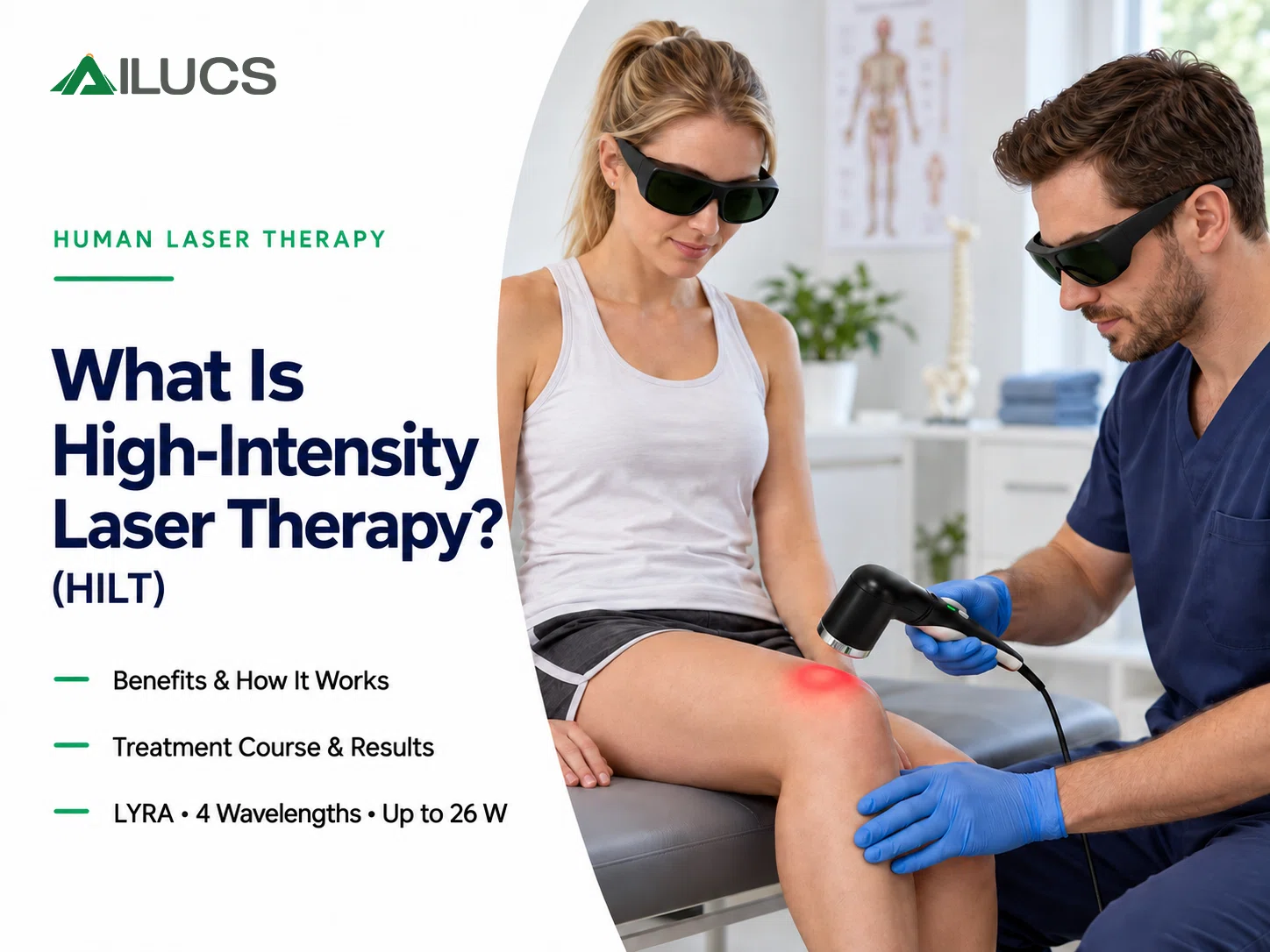
Learn what high-intensity laser therapy is, how HILT works, potential benefits, treatment schedules, safety considerations, and the role of LYRA.
Read article
Learn how laser therapy may support pain management, mobility, and rehabilitation in cats with osteoarthritis, with evidence and safety considerations.
Read article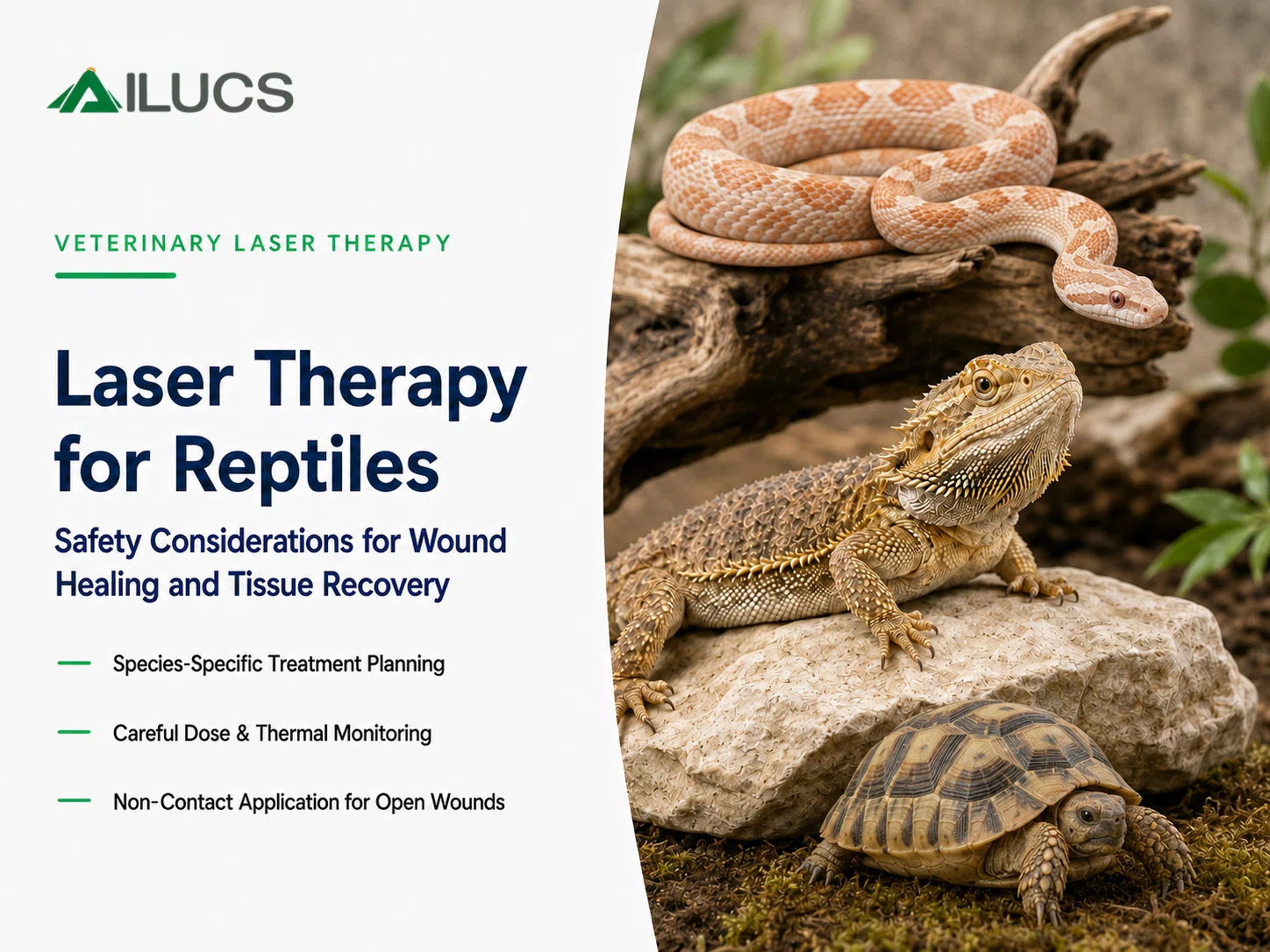
Explore reptile laser therapy safety, wound healing, temperature management, treatment planning, sensitive areas, and clinical follow-up.
Read article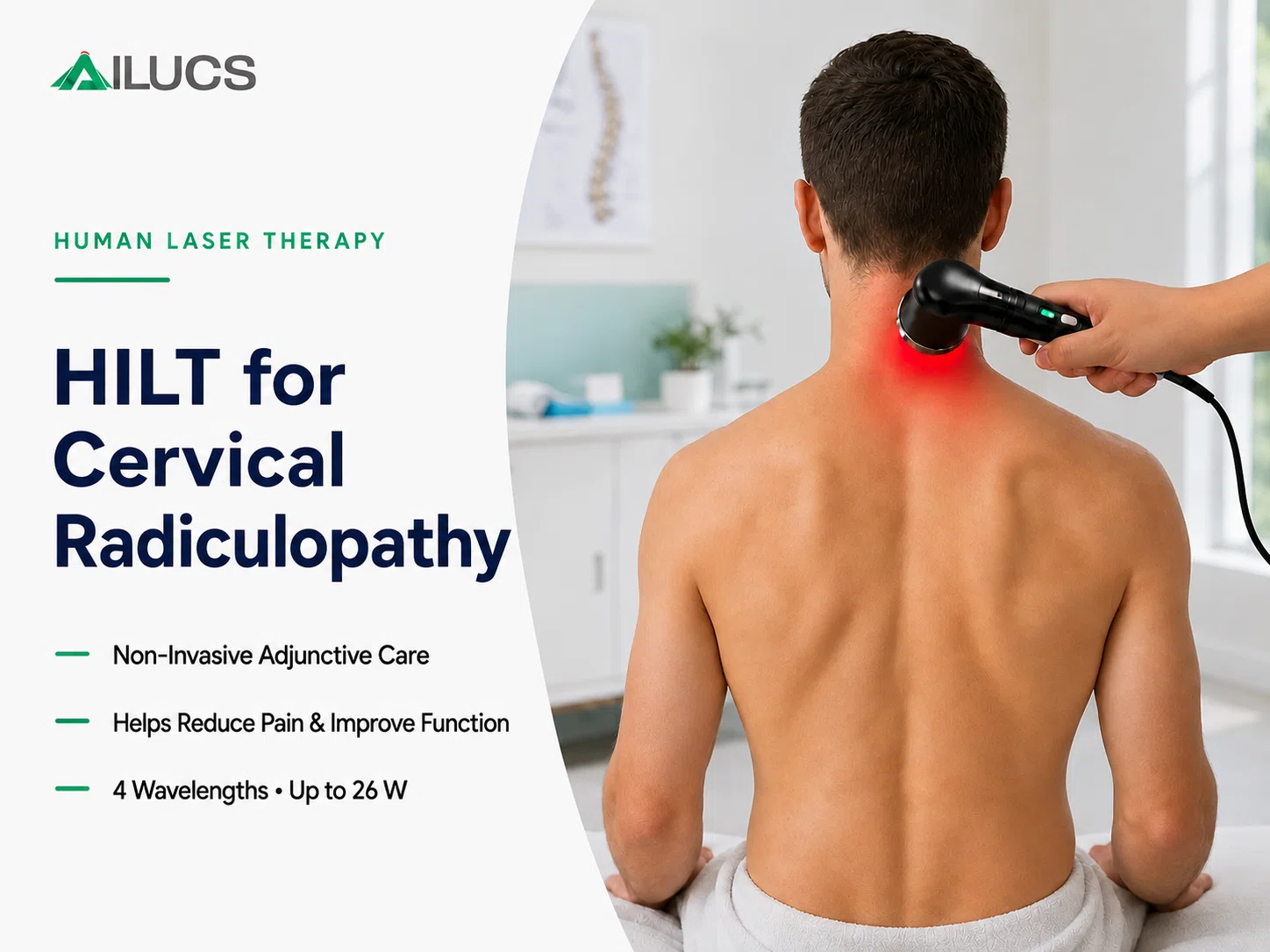
Explore how high-intensity laser therapy (HILT) may support pain relief and functional rehabilitation in cervical radiculopathy. This evidence-based review covers diagnosis, clinical research, treatment mechanisms, safety considerations, and the clinical role of the LYRA four-wavelength 26 W platform.
Read article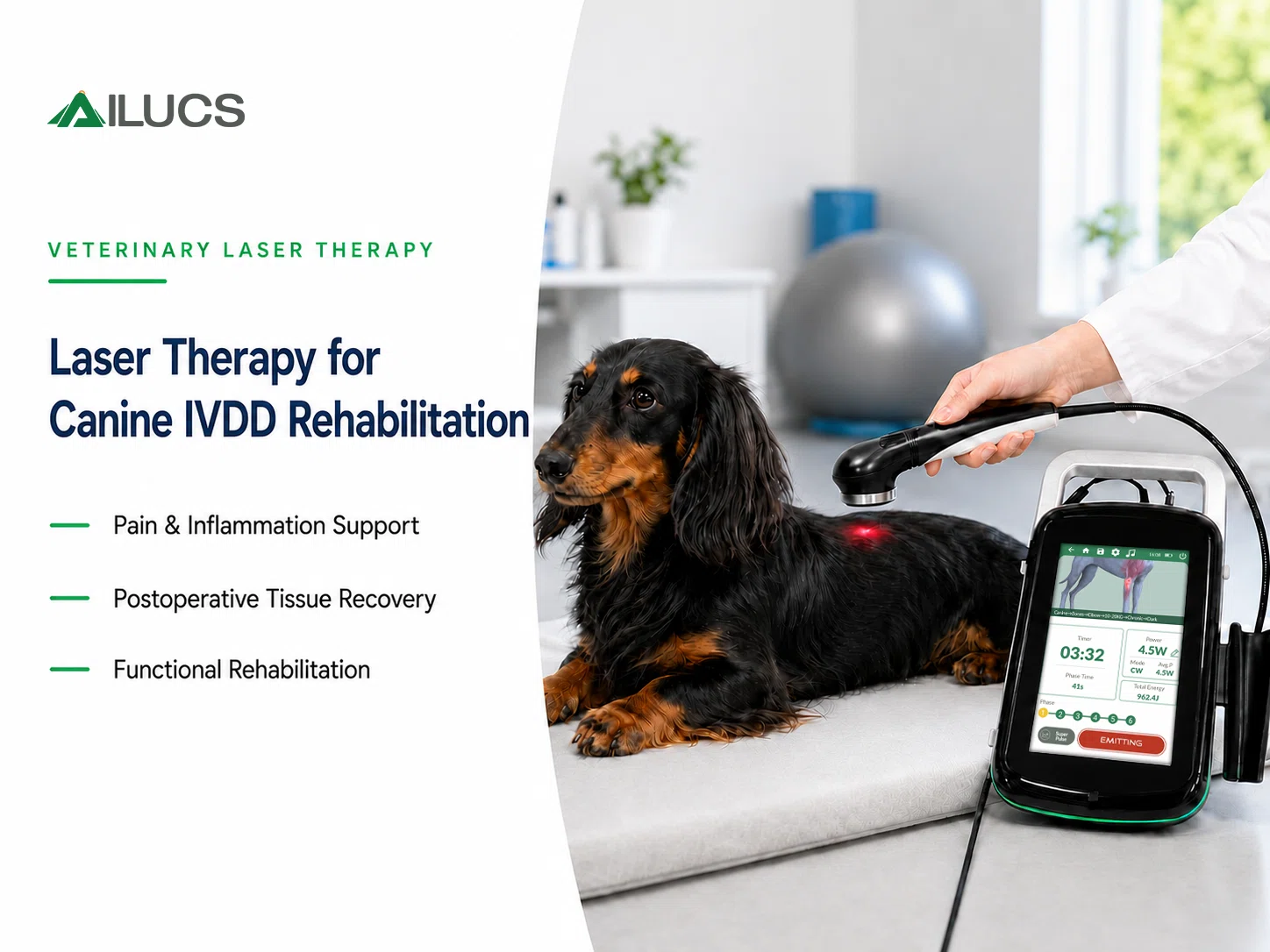
Learn how veterinary laser therapy may support pain management, tissue recovery, and rehabilitation in dogs with intervertebral disc disease (IVDD).
Read article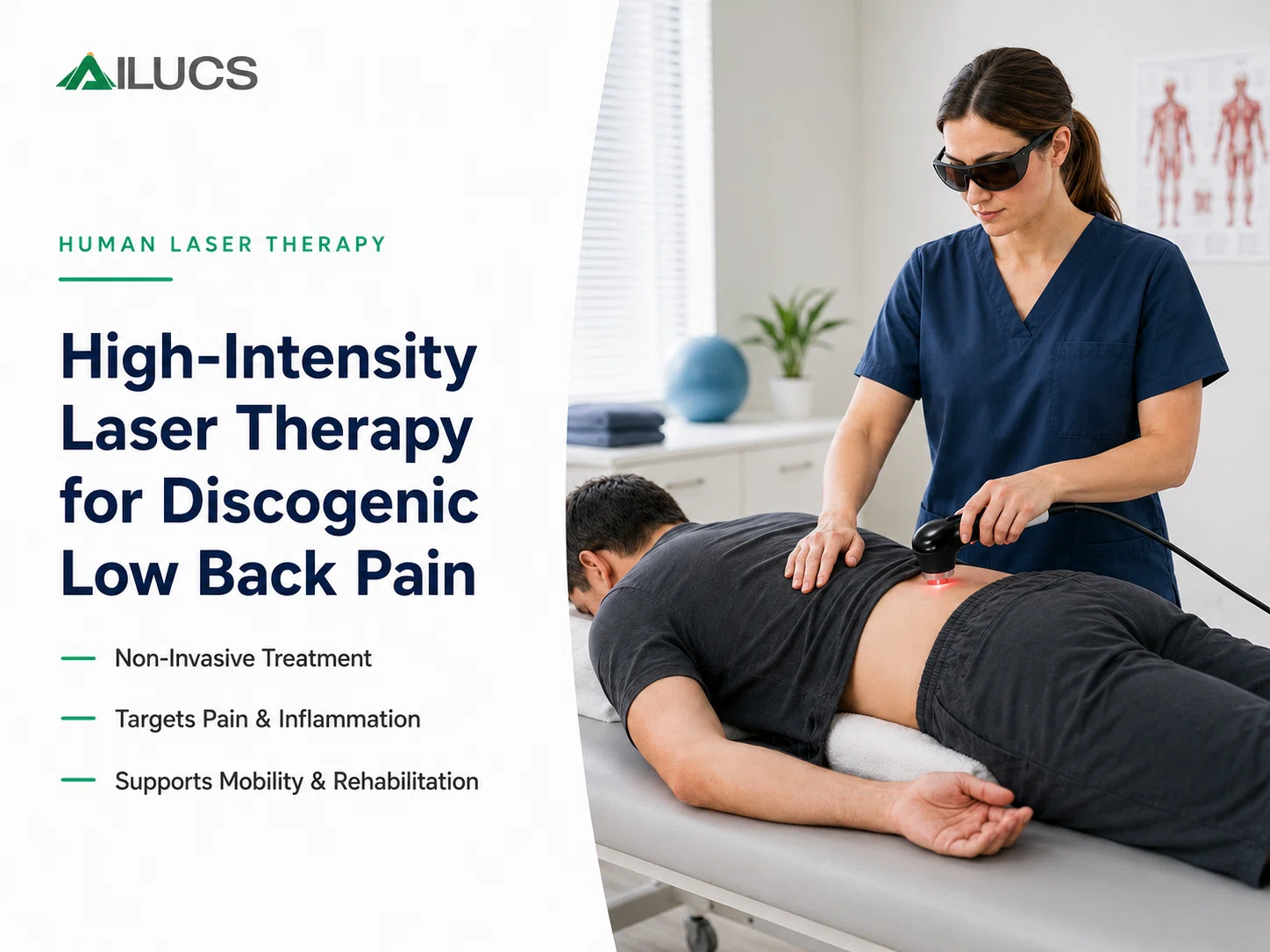
Learn how high-intensity laser therapy supports pain relief, inflammation control, tissue repair, and functional rehabilitation for discogenic low back pain.
Read article
How long does veterinary laser therapy take? Learn how session duration varies by condition, treatment area, power, and dose, and why treatment plans should be individualized for each patient.
Read article