LYRA Laser Device: Full-Process Support from Laser Surgery to Postoperative Rehabilitation
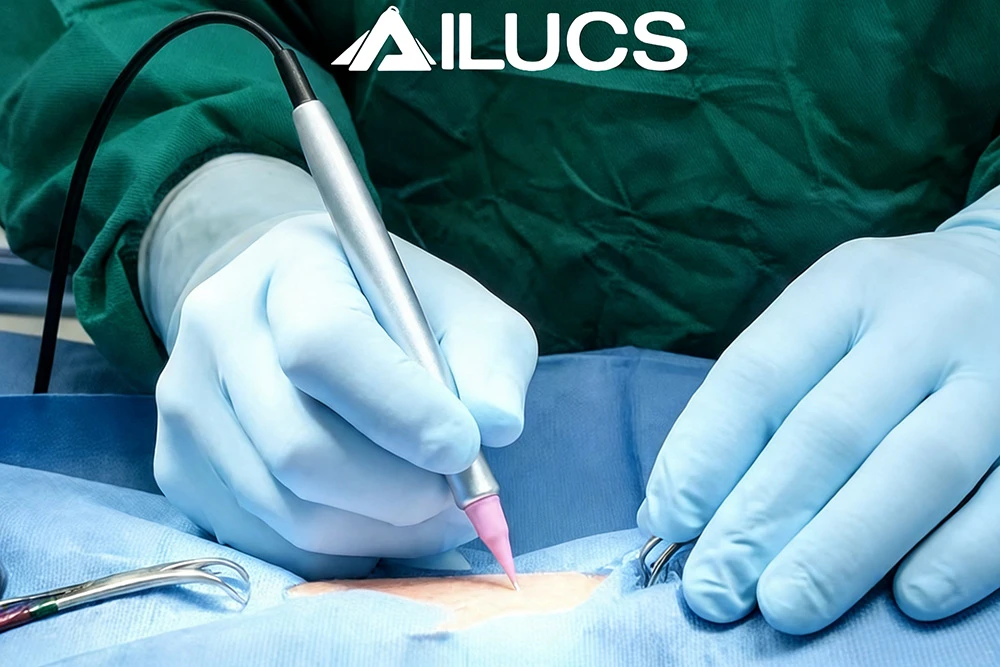
In recent years, the application of laser technology in both large- and small-animal veterinary practice has grown significantly. As clinical cases become increasingly complex, the veterinary industry is placing higher demands on laser systems—favoring solutions that are portable, multi-wavelength, and capable of supporting multiple clinical scenarios.
Against this backdrop, hybrid systems that combine therapeutic and surgical capabilities have emerged. The LYRA Laser Device represents this new generation of veterinary laser technology. When appropriately configured, LYRA can function as a “painless optical scalpel,” enabling precise and efficient soft tissue cutting. By utilizing controlled tissue vaporization, laser surgery allows for high surgical accuracy, reduced postoperative scarring, and improved comfort—ultimately enhancing quality of life for both animals and their owners.
1. Why Can LYRA Be Used for Laser Surgery?
Laser surgery is fundamentally different from low-level laser therapy (“cold laser”). It relies on the high-intensity photothermal interaction between laser energy and biological tissue.
1.1 Mechanism of Action: Conversion of Light Energy into Heat
When a high-power laser beam is focused on a small tissue area, water molecules—the primary chromophore—rapidly absorb the laser energy. This causes a sudden and dramatic temperature rise within milliseconds, often reaching several hundred degrees Celsius.
1.2 Tissue Effects: Temperature-Dependent Surgical Outcomes
Cutting / Vaporization: At temperatures above 100°C, intracellular water instantly vaporizes, disrupting cellular structures and enabling precise tissue cutting or bloodless excision—similar to a highly controlled “light scalpel.”
Coagulation: When tissue temperature is maintained between 60–100°C, proteins denature and coagulate. This effectively seals small blood vessels (typically<0.5 mm in diameter) and lymphatic channels, providing intraoperative hemostasis, reducing fluid leakage, and lowering the risk of tumor cell dissemination via lymphatic pathways.
These mechanisms make laser surgery particularly suitable for procedures requiring high precision, minimal bleeding, and controlled tissue ablation, including selected oncologic cases.
2. Advantages of Laser Surgery Compared with Conventional Techniques
Laser surgery offers several well-established advantages over traditional scalpel-based methods:
2.1 Significantly Reduced Intraoperative Bleeding
Laser energy cuts and coagulates simultaneously, sealing small vessels and providing a clean, blood-minimized surgical field—enhancing visibility and procedural safety.
2.2 Minimal Collateral Tissue Damage
The highly controllable laser spot reduces mechanical traction and unintended thermal spread to surrounding healthy tissues. This is especially valuable in anatomically delicate areas such as the eyelids, oral cavity, and other confined surgical sites.
2.3 Faster Recovery and Improved Postoperative Comfort
By sealing nerve endings and lymphatic vessels during incision, laser surgery helps reduce postoperative pain, edema, and inflammation, accelerating recovery and improving patient comfort.
2.4 Lower Risk of Infection
High temperatures provide immediate bactericidal effects. Combined with reduced wound exudation and a drier surgical site, laser surgery creates a more favorable environment for healing and lowers the risk of secondary infection.
3. Indications for Laser Surgery
Laser surgery is primarily indicated for soft tissue conditions that require precise excision, ablation, or effective hemostasis.
Common clinical indications include:
3.1 Skin and superficial soft tissue lesions
Including cutaneous tumors (benign or malignant), warts, polyps, sebaceous cysts, and interdigital cysts, where accurate removal with minimal bleeding is required.
3.2 Oral and dental procedures
Laser surgery is widely used for gingival hyperplasia excision, oral tumors, and ulcer debridement, as well as lesions involving the tongue and lips. It significantly reduces intraoperative bleeding and helps maintain a clear surgical field.
3.3 Procedures in delicate anatomical areas
LYRA is particularly suitable for surgeries in narrow or sensitive regions, such as external ear canal hyperplasia and small eyelid masses, where preservation of surrounding critical structures is essential.
3.4 Additional applications
These include minimally invasive intraoperative hemostasis, biopsy sampling, and adjunctive tumor ablation as part of a comprehensive treatment strategy.
Important note: The decision to use laser surgery must always be made by a licensed veterinarian after a thorough clinical evaluation of the patient. Laser surgery is not appropriate for all conditions. For example, bone tissue, dental hard tissues, or large, deep-seated tumors may be better managed using traditional surgical techniques or specialized equipment such as orthopedic power systems or holmium lasers.
4. Postoperative Care
Postoperative management focuses on reducing irritation, promoting healing, and preventing infection.
4.1 Acute Phase (0–3 days post-op)
Emphasize cooling and wound protection. Intermittent cold compresses may reduce redness and heat. Apply veterinarian-prescribed healing ointments and maintain a clean, dry wound. Elizabethan collars should be used to prevent licking.
The laser therapy initiated 24–48 hours postoperatively can significantly improve comfort and reduce reliance on analgesics.
4.2 Repair Phase (4–14 days post-op)
Focus on moisture balance and natural healing. Scabs should be allowed to detach naturally. Continue medical-grade wound care and limit sun exposure.
This phase represents an optimal window for laser therapy: appropriately increased energy density applied to the wound and margins can enhance granulation tissue formation, epithelial migration, shorten healing time, and improve skin elasticity and cosmetic outcomes.
4.3 Long-Term Management
Long-term protection and follow-up are essential. Post-laser skin may be more sensitive to UV exposure. Regular re-evaluation is recommended.
For cases with cosmetic concerns or a tendency toward hypertrophic scarring, periodic laser therapy can help remodel collagen alignment, soften scar tissue, and improve local circulation—particularly beneficial near joints or mobile anatomical regions.
5. Conclusion
In summary, modern multi-wavelength laser devices such as LYRA have evolved beyond single-purpose therapy devices into integrated platforms supporting both precision laser surgery and postoperative rehabilitation. Through controlled photothermal effects, LYRA enables minimally invasive, low-bleeding, low-pain surgical procedures. Postoperatively, staged photobiomodulation actively supports healing, transforming recovery from passive waiting into proactive optimization.
For today’s veterinary clinics, adopting LYRA represents more than a technology upgrade—it reflects a commitment to animal welfare, precision medicine, and clinical efficiency. By enhancing surgical control, shortening recovery time, and improving the overall treatment experience, LYRA helps strengthen professional competitiveness and client trust, positioning veterinary practices for the future of laser medicine.