
When is it suitable to use laser therapy after a pet is injured?
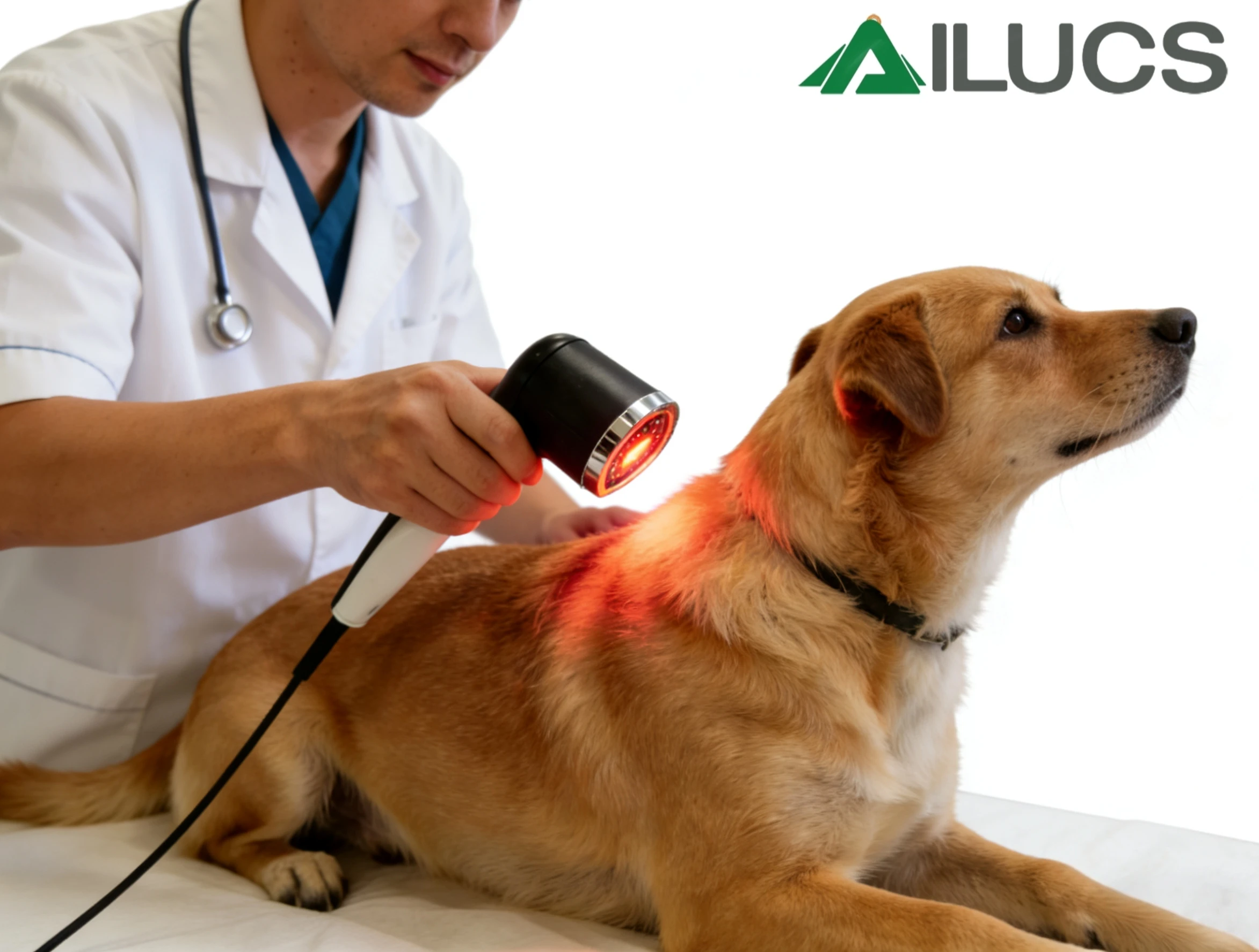
In modern veterinary medicine, Pet Laser Therapy has evolved from a purely “supportive rehabilitation option” into an integral component of multimodal treatment strategies. Whether addressing acute injuries, post-surgical recovery, or long-term management of chronic conditions, laser therapy serves different clinical purposes at different stages of healing.
1. Acute Stage: Regulating Biological Response, Not Aggressive Stimulation
Typical timeframe:
Within 24–72 hours after injury, or the early postoperative period.
Tissue characteristics:
During the acute phase, tissues are highly sensitive. Active inflammation, noticeable edema, and significant pain are common. Tissue tolerance to external stimulation is relatively low.
Core Goals of Laser Therapy in the Acute Stage
At this stage, the purpose of laser therapy is not to accelerate tissue rebuilding, but to provide precise biological regulation that stabilizes the local environment and prepares tissue for healing:
Inflammation modulation: Gently regulate inflammatory mediator activity to prevent excessive inflammatory damage.
Pain relief: Support non-pharmacological analgesia by influencing pain signal pathways and improving comfort.
Edema management: Enhance microcirculation and lymphatic drainage to assist in reducing swelling.
Key Clinical Considerations
At this stage, output stability and parameter control are especially important. Laser therapy equipment that offers multiple wavelength options and precise parameter adjustment allows clinicians to remain within a safe therapeutic window while achieving meaningful biological effects.
2. Subacute Stage: Supporting Repair and Gradually Increasing Therapeutic Input
Typical timeframe:
From approximately 3 days to 2–3 weeks post-injury, once acute inflammation subsides.
Tissue characteristics:
Redness, heat, swelling, and pain decrease. The tissue enters an active repair phase dominated by cellular proliferation and collagen synthesis.
Core Therapeutic Objectives
Laser therapy shifts from regulation to support and optimization of tissue repair:
Enhancing cellular metabolism: Improve mitochondrial activity and ATP production to support repair cells such as fibroblasts.
Improving local blood supply: Support angiogenesis and nutrient delivery to regenerating tissue.
Guiding tissue remodeling: Promote an organized healing environment to reduce excessive or disordered scar formation.
Key Clinical Considerations
Laser wavelength selection should be based on tissue depth (superficial wounds vs. deep muscle injuries), or achieved through multi-wavelength systems to optimize penetration while maintaining safe and controlled energy delivery.
3. Recovery and Chronic Management: Long-Term Support, Not Short-Term Intervention
Typical scenarios:
Chronic osteoarthritis and degenerative joint disease
Recurrent soft-tissue injuries
Age-related functional decline in senior pets
Core Value of Laser Therapy in Long-Term Care
In recovery and chronic stages, laser therapy functions as a sustainable physical therapy modality rather than an acute intervention:
Chronic pain support: As part of multimodal pain management, potentially reducing reliance on long-term analgesics.
Tissue health maintenance: Periodic treatment helps maintain circulation, metabolism, and tissue resilience.
Rehabilitation support: Used before or after exercise and physical therapy to reduce stiffness and improve tolerance.
Key Clinical Considerations
Long-term management emphasizes repeatability and consistency. Professional-grade Veterinary Laser Therapy Equipment ensures stable energy delivery session after session, supporting predictable and safe outcomes over time.
Summary: Effective Laser Therapy Is a Stage-Based Clinical Decision
Successful laser therapy is not about one parameter treating every condition, but about aligning treatment strategy with biological healing phases:
Acute stage: Focus on regulation — conservative parameters, stabilizing tissue environment
Subacute stage: Focus on support — optimized parameters to enhance quality repair
Recovery / chronic stage: Focus on maintenance — individualized plans to preserve long-term function and comfort
This is where systems like the LYRA Laser Therapy Device demonstrate their clinical value. By offering multifunctional laser therapy capabilities, multiple wavelength options, and precise parameter control, LYRA supports veterinarians in adapting treatment protocols to different healing stages and tissue depths.
Rather than replacing other therapies, laser therapy—when applied scientifically and at the right time—becomes a reliable, controllable, and evidence-based component of modern veterinary care, seamlessly integrated throughout the full treatment pathway.