
Long-Term Efficacy of Laser Therapy in Animal Rehab: Evidence & Clinical Guide
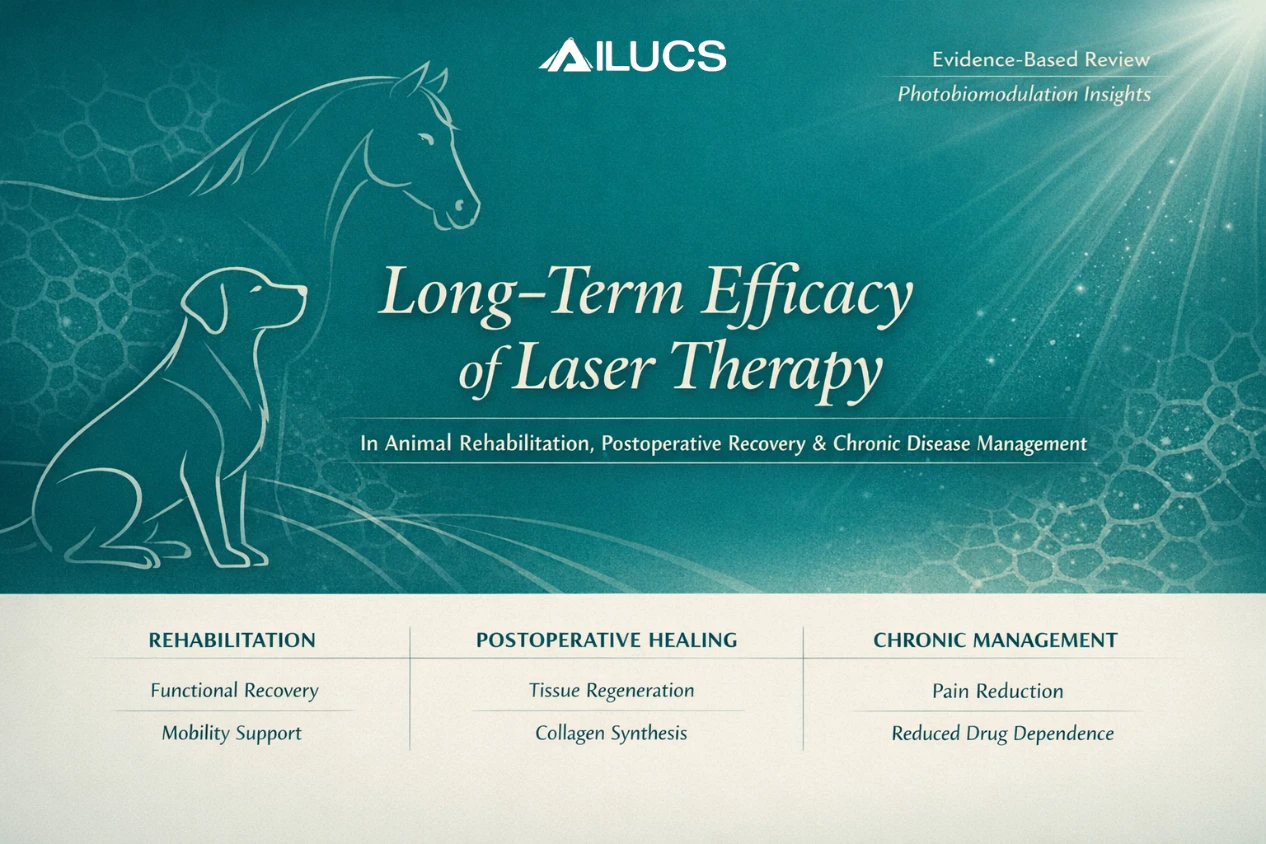
This article reviews the long-term effects of laser therapy in animal rehabilitation, postoperative recovery, and chronic disease management, integrating published research and clinical observations to help veterinarians evaluate its evidence base and practical value.
In modern veterinary rehabilitation, laser therapy—particularly Class IV laser—has become a routine intervention. From postoperative wound healing to chronic osteoarthritis management, it is increasingly incorporated into standard treatment protocols. Beyond short-term analgesia, a key clinical question remains: does laser therapy provide sustained, long-term benefits supported by reliable evidence?
This review examines current findings across three major application areas.
1. Long-Term Effects on Animal Rehabilitation
Laser therapy is widely used in canine osteoarthritis, tendon injuries, and sports-related rehabilitation. Multiple clinical studies report significant improvements in lameness and pain scores, with functional benefits maintained over weeks to months of follow-up.
Through photobiomodulation, laser therapy enhances ATP production, improves microcirculation, and modulates inflammation. Rather than offering simple symptomatic relief, it supports tissue metabolism and repair, contributing to sustained functional improvement and quality of life when applied in structured treatment courses.
In equine sports injury rehabilitation, laser therapy is frequently used during tendon and ligament recovery. Clinical reports suggest that, when combined with progressive rehabilitation programs, laser intervention may shorten recovery time and reduce recurrence risk over long-term follow-up.
2. Tissue Repair and Healing in Postoperative Recovery
Postoperative care is one of the most established applications of laser therapy. Studies show that laser treatment can stimulate fibroblast proliferation, enhance collagen synthesis, and promote angiogenesis—key biological processes in wound healing.
In small animal surgery, postoperative laser use has been associated with reduced wound closure time, decreased inflammation, and lower pain scores. Long-term follow-up also indicates improved scar organization and better restoration of tissue elasticity.
Clinically, these effects extend beyond short-term comfort, potentially reducing chronic inflammation or fibrosis and improving overall recovery quality.
3. Value in Chronic Disease Management
Chronic osteoarthritis is one of the most common conditions in veterinary practice. Conventional management often relies on long-term NSAID use, which may cause gastrointestinal or renal side effects.
Laser therapy is increasingly viewed as a low-risk adjunctive option for long-term management. Research indicates that structured treatment protocols can reduce inflammatory mediator expression and sustain lower pain scores over time. Some clinical reports suggest that consistent laser therapy may allow dose reduction of medications in certain patients, thereby lowering side-effect risks.
Importantly, laser therapy does not cure degenerative diseases. Instead, by improving local circulation and metabolic conditions, it may slow progression and enhance quality of life—particularly in geriatric animals.
4. Evidence Status and Research Limitations
The number of veterinary laser therapy studies continues to grow, though limitations remain, including small sample sizes, inconsistent parameters, and variable follow-up durations. Differences in wavelength combinations and power settings across devices may also influence outcomes.
Nevertheless, randomized controlled trials and systematic reviews increasingly support its positive effects on pain control, functional improvement, and tissue repair. International veterinary rehabilitation frameworks are gradually incorporating laser therapy into multimodal treatment strategies.
From an evidence-based perspective, laser therapy holds moderate to strong support in rehabilitation and chronic pain management, while further standardized large-scale studies are needed to confirm long-term outcomes.
5. Clinical Significance of Long-Term Application
Overall, the long-term value of laser therapy in veterinary rehabilitation lies in three key areas:
Improving functional recovery quality
Reducing reliance on long-term pharmacologic pain management
Serving as a stable adjunct within comprehensive rehabilitation systems
Future trends emphasize integration rather than replacement—combining laser therapy with medication, structured rehabilitation, and nutritional management to create optimized treatment pathways.
Conclusion
Laser therapy demonstrates consistent long-term benefits in animal rehabilitation, postoperative recovery, and chronic disease management, supported by a growing body of evidence. While challenges such as parameter standardization and larger sample sizes remain, its sustained effects on pain reduction, functional restoration, and tissue repair are increasingly recognized.
For veterinary institutions aiming to establish systematic rehabilitation programs, the key lies in evidence-based parameter selection, structured treatment planning, and integration of laser therapy into a multimodal clinical framework.