
Why Laser Therapy Is Not Recommended on Tumor Sites
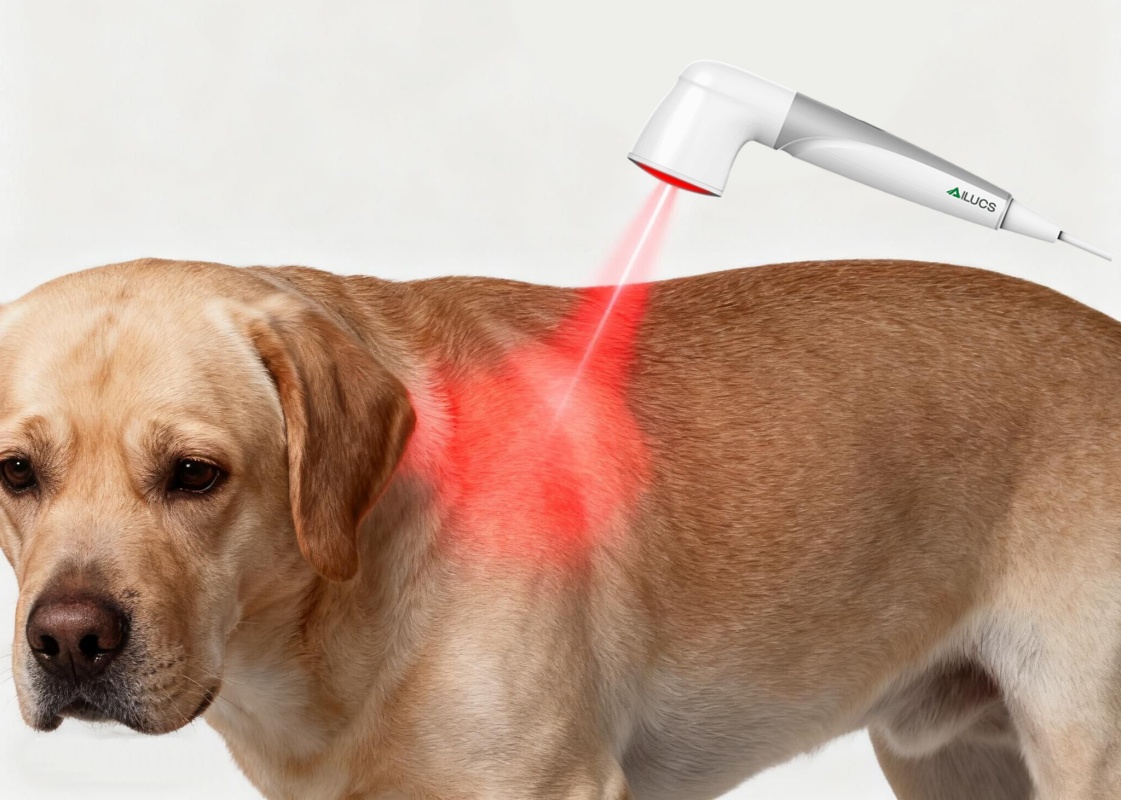
01 The Connection Between Laser Therapy and Tumors
Cancer cells grow much faster than normal cells and often behave abnormally. Since laser therapy works at the cellular level, the light energy cannot distinguish between healthy cells and malignant ones. Applying laser therapy directly to a tumor may unintentionally stimulate cancer cell activity and pose potential risks.
Another major concern is cancer spread and metastasis. While laser therapy can promote blood vessel formation and improve circulation, there is no conclusive evidence that it directly increases the risk of tumor metastasis. However, because it also influences microcirculation and metabolism, its long-term impact on tumor progression remains uncertain. For this reason, it is generally advised to avoid laser treatment directly over tumor regions.
In cases where a tumor has been surgically removed, laser therapy may be considered at the surgical site only after histopathological examination confirms clean margins. Even then, there is still a possibility of residual malignant cells. Pet owners should be fully informed of this risk before deciding whether to proceed with laser treatment.
When applied to areas away from the tumor, laser therapy is generally considered safe. Some studies have shown that photobiomodulation (PBM) can improve the quality of life in cancer patients, such as relieving radiation-induced dermatitis (Censabella et al., 2016).
02 Role in Palliative Care
The World Health Organization defines palliative care as comprehensive support for patients with incurable diseases, focusing on relief of pain, symptoms, and emotional or social stress. For pets in advanced stages of cancer, where curative treatment is no longer possible, laser therapy can serve as a supportive option. It may help reduce inflammation and pain related to cancer, making the pet’s final days more comfortable.
03 New Perspectives from Research
As research evolves, perspectives on the role of laser therapy in cancer care are changing. Some systematic reviews suggest that laser therapy may help restore homeostasis and regulate physiological rhythms in cancer patients, potentially improving overall well-being with minimal side effects (Santana-Blank et al., 2012).
Although more clinical trials are needed, some experts believe that photobiomodulation can raise the standard of supportive care and enhance the quality of life for patients with cancer and other complex diseases (Karu, 2010; Lanzafame, 2011).
Conclusion
Based on current evidence:
Laser therapy should not be applied directly to tumor sites.
Post-surgical treatment requires careful margin evaluation.
Treatment of areas away from tumors appears safe.
In palliative care, laser therapy may improve comfort and quality of life.
Future studies may reshape our understanding of how laser therapy can be integrated into cancer management strategies.
References
● Veterinary Laser Therapy in Small Animal Practice - Bryan J. Stephens
● Laser Therapy in Veterinary Medicine Photobiomodulation - Ronald J. Riegel and John C. Godbold, Jr.