
The Importance of Eye Protection in Veterinary Laser Therapy
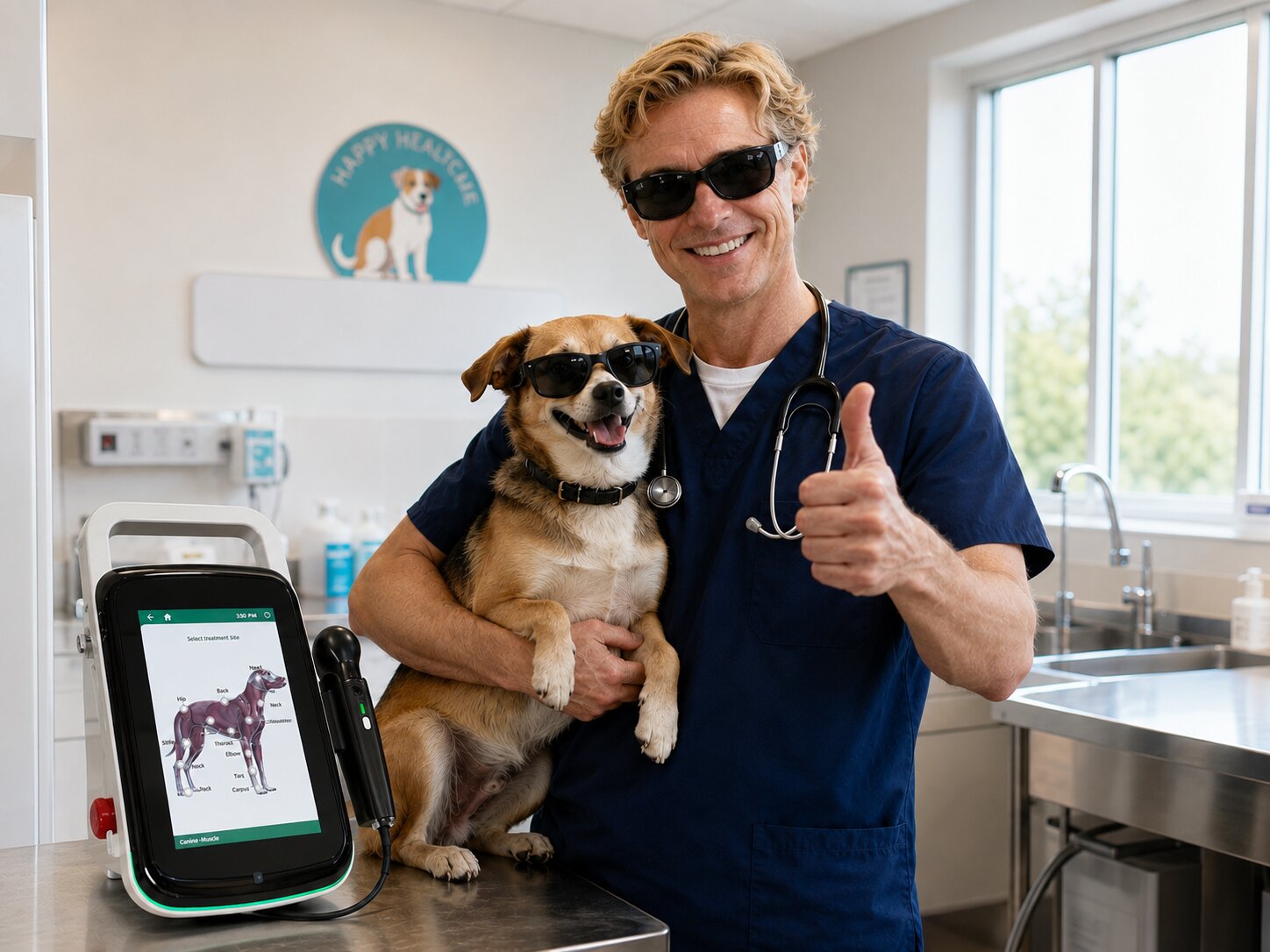
In modern medicine and veterinary treatment, laser equipment is widely applied across various clinical scenarios. However, the concentrated energy and penetrating properties of lasers also pose potential safety risks for both operators and animal patients—particularly the risk of eye injury. This article provides a detailed overview of the potential hazards of laser exposure to the eyes, explains how Ailucs Laser Safety Glasses offer effective scientific protection, and introduces Ailucs’ professional safety design in laser therapy equipment.
I. Hazards of Laser Exposure to the Eyes
The human eye is the organ most susceptible to laser damage. This is because retinal and other ocular tissues efficiently absorb multiple wavelengths of laser light, and the eye’s natural focusing system increases the energy density of light reaching the retina. As a result, direct exposure to a laser beam can cause irreversible damage. If no protective measures are taken, laser light can penetrate the cornea and pupil, pass through the lens, and focus on the retina, leading to severe and permanent retinal injury.
The Main Mechanisms of Laser-Induced Ocular Damage Include:
1. Photothermal Effect:
Laser energy absorbed by the eye’s tissue is converted into heat, leading to protein denaturation or tissue vaporization. For example, high-power continuous lasers (such as CO₂ lasers) may burn the cornea or lens, resulting in long-term visual impairment.
2. Photochemical Effect:
Ultraviolet (UV) or short-wavelength visible light (such as blue light) can trigger photochemical reactions that damage cellular DNA or protein structures. Prolonged exposure to these wavelengths may cause cataracts or retinal degeneration.
3. Mechanical (Photoacoustic) Effect:
Ultra-short pulsed lasers (such as femtosecond lasers) release large amounts of energy in an instant, producing shock waves or cavitation effects that may tear tissues—particularly the retina—causing serious visual impairment.
II. The Protective Role of Laser Safety Glasses
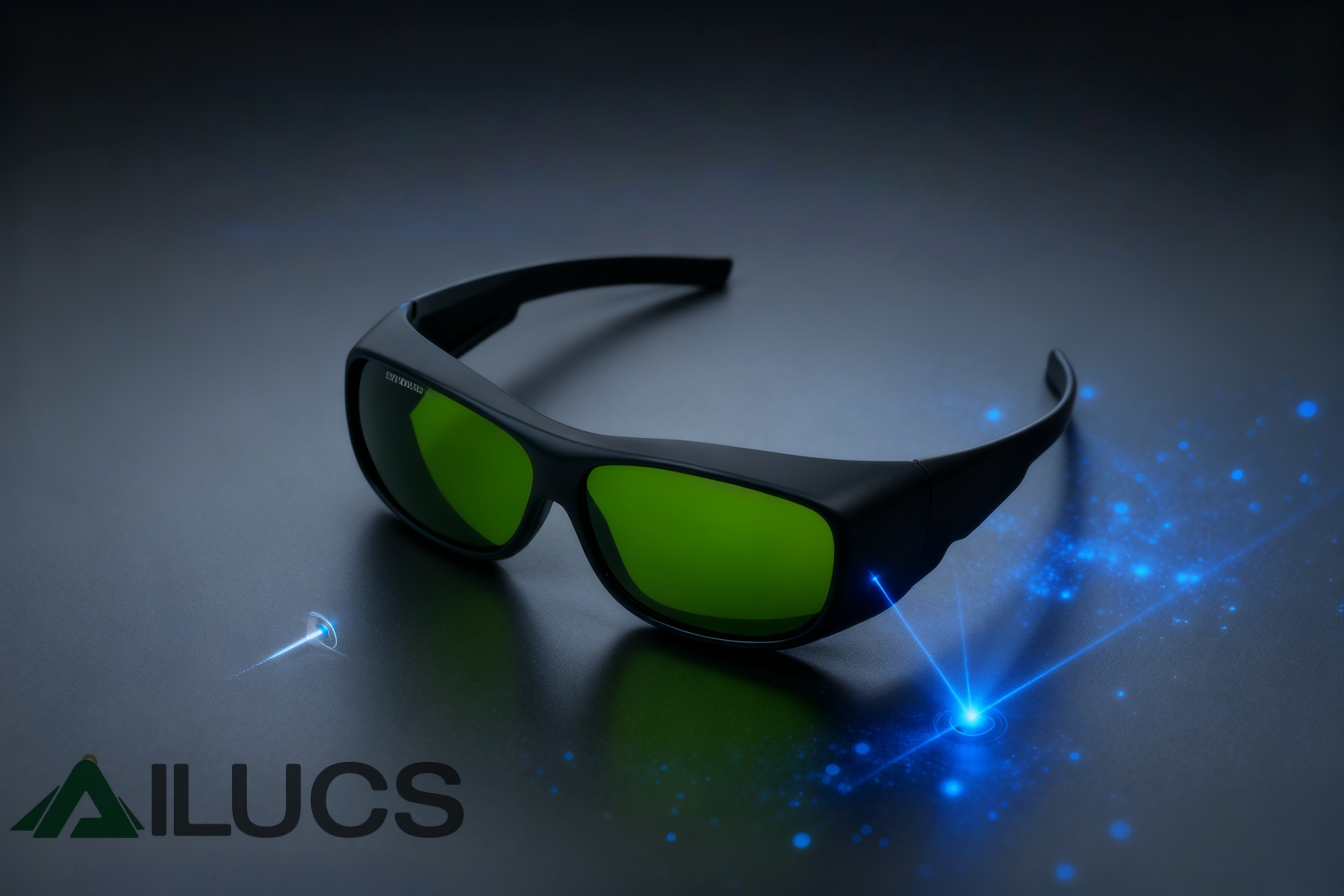
Laser-induced eye damage often results from a combination of these mechanisms. Laser safety glasses are specialized eyewear designed to prevent or reduce laser-related ocular injury. They can effectively block specific wavelengths of laser radiation and minimize reflection hazards, thus protecting eye health and preventing serious ophthalmic conditions.
1. Personal Protection
Select goggles matched to the laser wavelength: Ensure that the optical density (OD value) of the eyewear meets safety standards and effectively filters laser radiation.
Different types of lasers require corresponding protection—infrared lasers require IR goggles, and ultraviolet lasers require UV-protective eyewear.
Determine the protection level: The protection level of laser goggles is an important measure of their effectiveness. The higher the protection level, the greater the safety provided.
Consider optical performance: High optical quality is crucial for medical laser safety glasses. When selecting goggles, pay attention to transmittance and clarity to ensure clear vision without affecting laser operation.
Avoid direct or reflected exposure: During laser operation, never look directly at the laser beam. Even low-power or scattered laser light can cause ocular injury.
2. Engineering Protection
Enclosed laser path:
Closing the laser beam path helps minimize the risk of accidental laser leakage, significantly improving overall safety. Beam stoppers and shielding barriers are effective protection measures against environmental exposure.
Safety interlock systems:
A laser safety interlock connects the laser therapy device with the door lock of the operating room, ensuring that the laser operates only within a closed environment. If the door is opened, both hardware and software interlocks immediately stop laser emission, preventing any possible exposure to operators or patients.
Ailucs Advanced Safety Design
Every Ailucs Laser Therapy Device is equipped with multiple integrated safety systems, ensuring operational safety, stability, and reliability during every treatment.
Emergency Stop Button: In emergency situations, pressing the button instantly cuts off laser output, immediately stopping emission to protect both operators and patients.
Safety Interlock System: Prevents unauthorized or accidental activation, effectively ensuring operator and patient safety during procedures and avoiding unintended laser exposure.
3. Operational Standards
Compliance with international standards: The use of laser equipment must comply with IEC 60825 International Laser Safety Standards, ensuring proper classification and safety compliance.
Operator training: All operators should be trained in laser operation procedures and undergo regular safety education.
Warning signs and reminders: Laser treatment areas must display visible laser hazard warning labels and safety reminders.
Ailucs Intelligent System Design
Ailucs Laser Therapy Equipment is equipped with an Android-based intelligent operating system featuring laser and interlock port safety indicators. If the ports are connected incorrectly, a warning icon appears on the main software interface, and the device will not emit laser light until the ports are properly adjusted according to the alert—ensuring maximum operational safety.
III. Eye Protection for Animals During Laser Therapy
Animals undergoing laser rehabilitation therapy also require proper eye protection. During treatment, veterinarians can equip the animal patient with specialized laser safety goggles or cover the eyes with dark, non-reflective fabric to prevent direct laser exposure.
Additionally, veterinarians should adjust the laser emission angle based on the treatment site and animal posture to ensure that the beam never reaches the animal’s head or eyes.
Ailucs Pet Laser Therapy Equipment
Each Ailucs Pet Laser Therapy Device is equipped with a complete EN-certified protective eyewear set, including five pairs of laser safety goggles — two for human operators and three animal-specific models (small, medium, and large). These provide full-spectrum vision safety for animals of different sizes, ensuring comprehensive protection during every treatment.
IV. Conclusion
The safety of veterinary laser therapy depends not only on technology and treatment parameters but also on proper protection and standardized operation. From protective goggles to emergency stop systems, and from safety interlocks to internationally compliant protection designs, Ailucs consistently upholds the principle of “Safety First.”
Through rigorous safety measures and precise operating procedures, Ailucs Laser Therapy Devices not only ensure the safety of operators but also guarantee a comfortable, safe, and effective treatment experience for every animal patient.