
Can Laser Therapy Help Treat Ear Infections in Dogs and Cats? (Part 1)
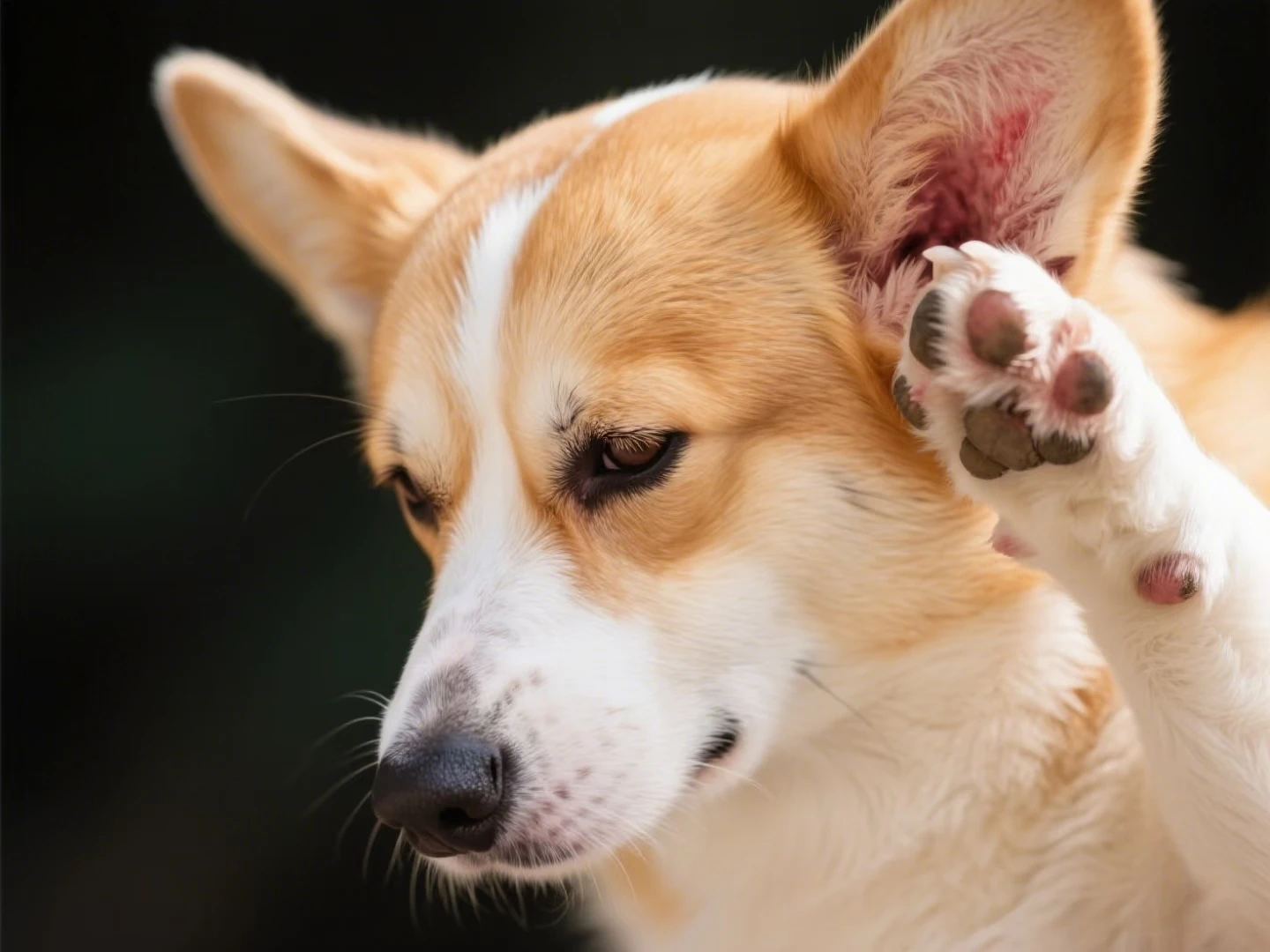
Why Does Otitis Keep Coming Back?
Ear infections are among the most common clinical conditions in dogs and cats, and also one of the most underestimated. In dogs, the lifetime prevalence of otitis externa is estimated at 15%–20%. In recent years, high-power laser therapy and photobiomodulation (PBM) have gained growing attention in veterinary medicine as supportive tools for managing ear disease.
This is far more than simply "using light to reduce inflammation." Laser therapy may help regulate local immune responses, improve the ear canal environment, support tissue repair, and help restore the ear's natural self-cleaning function.
So why do ear infections keep recurring in so many dogs and cats? How does feline otitis differ from canine otitis? And how exactly does laser therapy work?
Why Do Ear Infections Keep Recurring?
Otitis is rarely caused by infection alone. In most cases, chronic ear disease develops through multiple interacting factors, which can generally be divided into four categories.
Primary Causes — The Real Underlying Problem
These are the conditions that initially trigger inflammation, including:
Ear mites and parasites
Foreign bodies
Tumors or inflammatory polyps
Allergic skin disease
Keratinization disorders
Endocrine disease
Autoimmune disorders
Secondary Causes — Opportunistic Infection
Once the ear canal environment becomes abnormal, bacteria and yeast can rapidly overgrow. Common pathogens include cocci bacteria, rod-shaped bacteria, and Malassezia yeast. These organisms further worsen inflammation, itching, pain, odor, and ear discharge.
Predisposing Factors — Why Some Pets Are More Susceptible
Some pets are naturally more prone to ear disease because of anatomical or environmental factors. Pendulous ears, excessive ear hair, and narrow ear canals can all impair ventilation. Frequent swimming, humid environments, and improper ear cleaning habits may further increase risk.
Perpetuating Factors — Why Chronic Otitis Becomes Difficult to Treat
When inflammation persists for a long time, the ear canal itself begins to change. Hyperplasia, fibrosis, glandular hypertrophy, middle ear involvement, and bacterial biofilm formation may gradually develop. At this stage, even medications often become less effective. This is why many pets appear to improve temporarily during treatment, only to relapse shortly afterward.
How Is Canine Otitis Different from Feline Otitis?
Canine Otitis: Strongly Linked to Allergies
In dogs, chronic otitis is highly associated with allergic disease. Atopic dermatitis and food allergies are among the most common underlying causes. In many chronic cases, the ear disease itself is actually part of a larger allergic condition. This explains a common clinical pattern: symptoms improve with medication, but quickly return once treatment stops — because the underlying cause was never fully addressed.
Feline Otitis: Middle Ear Disease Is More Common
Cats differ significantly from dogs in ear anatomy. The feline middle ear contains a bony septum within the tympanic bulla, and the middle ear also communicates with the nasopharynx through the auditory tube. Combined with cats' predisposition to upper respiratory infections, this makes ascending middle ear infection more common in felines. As a result, feline ear disease is often more complex, more dependent on advanced otoscopic examination, and may require more precise treatment planning.
How Does Laser Therapy Work for Ear Disease?
The value of high-power laser therapy in otitis management goes far beyond simple anti-inflammatory effects.
Photobiomodulation (PBM)
Laser energy can stimulate cytochrome c oxidase within mitochondria, increasing intracellular ATP production and enhancing cellular metabolism. Potential effects include:
Reduced inflammation
Pain relief
Improved microcirculation
Enhanced lymphatic drainage
Faster tissue repair
Modulation of Macrophage Activity
Studies suggest that laser therapy may help shift macrophages from the pro-inflammatory M1 phenotype toward the reparative M2 phenotype. This may reduce inflammation, improve tissue healing, and accelerate clearance of inflammatory debris — particularly in chronic otitis cases.
Possible Disruption of Bacterial Biofilms
One of the biggest challenges in chronic otitis is bacterial biofilm formation. Biofilms act like protective barriers that shield bacteria from medication, contributing to recurrent infection and antimicrobial resistance. Some studies suggest that wavelengths such as 660 nm and 810 nm may help disrupt bacterial biofilm structure. This is one reason laser therapy is increasingly used as an adjunctive treatment in recurrent ear disease.
Supporting the Ear Canal's Natural Self-Cleaning Function
Healthy ear canals naturally remove debris and keratin outward through epithelial migration. Chronic inflammation can disrupt this process. By reducing edema, improving circulation, and alleviating chronic tissue changes, laser therapy may help restore the ear canal's natural cleaning function over time.
Conclusion
Chronic ear disease in dogs and cats is far more complex than a simple infection. Successful long-term management depends on two key factors: identifying the true underlying cause and controlling the chronic inflammatory changes within the ear canal.
Laser therapy is not a magic solution. Instead, it serves as a supportive tool that may help improve recovery after proper diagnosis and treatment planning. More important than any technology are two things: prevention in daily care, and timely veterinary evaluation when symptoms first appear.
References
Aslan J, Shipstone MA, Mackie JT. Carbon dioxide laser surgery for chronic proliferative and obstructive otitis externa in 26 dogs. Vet Dermatol. 2021;32(3):262-e72.
View Article →Noli C, Colombo S (Eds). Feline Dermatology. Cham, Switzerland: Springer Nature Switzerland AG; 2020.