
Class IV Veterinary Laser Therapy for Cats | 14-Day Postoperative Incision Healing Case Study Using Multi-Wavelength Laser System
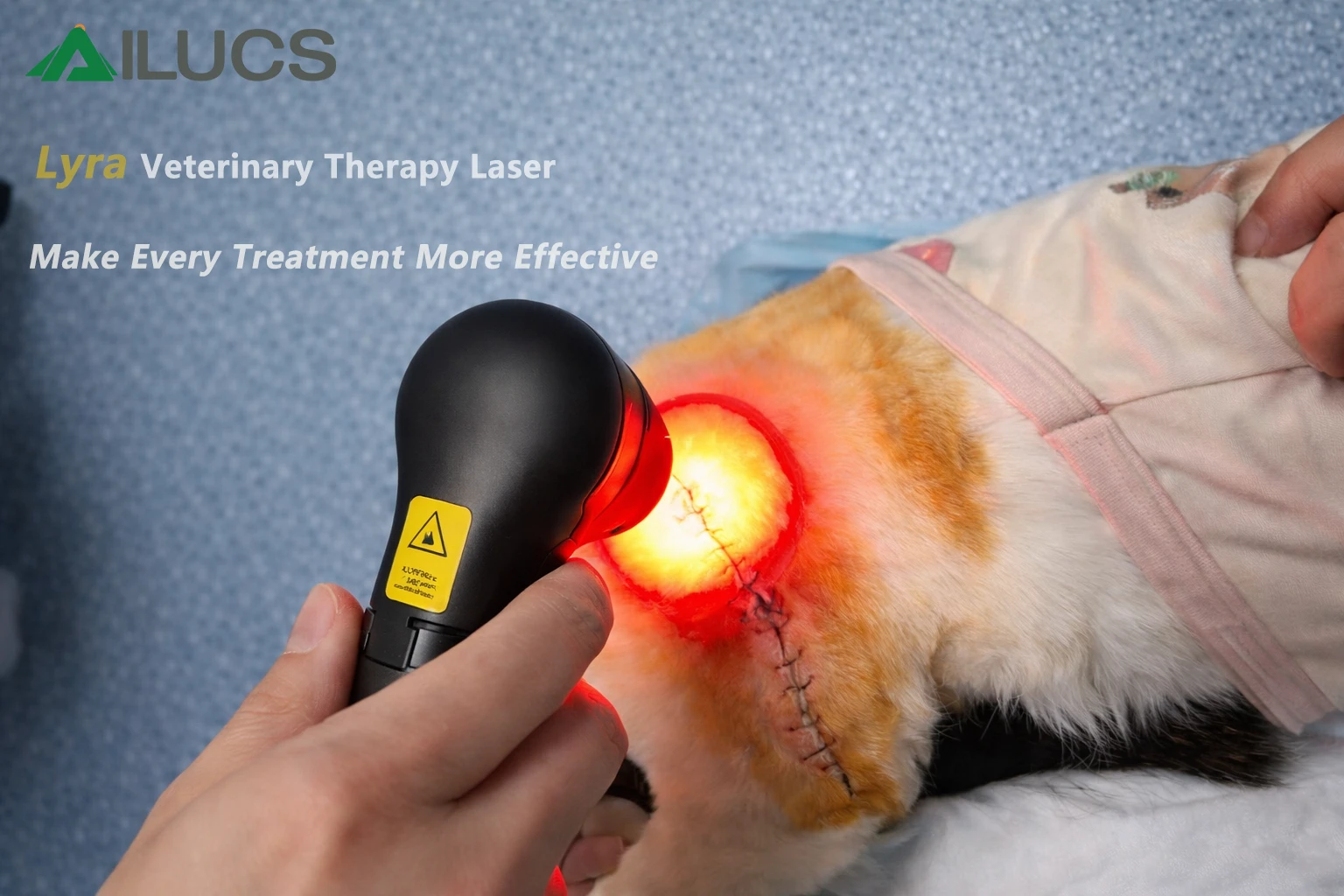
Veterinary laser therapy is increasingly used in postoperative rehabilitation for companion animals, particularly in feline surgical recovery and soft tissue healing support.

1.Introduction
Veterinary laser therapy is increasingly used in postoperative rehabilitation for companion animals, particularly in feline surgical recovery and soft tissue healing support. In modern clinical practice, the Lyra Veterinary Therapy Laser is often applied as part of a multimodal approach to enhance recovery outcomes.
Following orthopedic and soft tissue procedures, cats may experience localized inflammation, swelling, discomfort, and temporary mobility limitations that can affect the healing process and overall recovery timeline, particularly during postoperative incision recovery.
Photobiomodulation (PBM), also known as veterinary laser therapy or Class IV laser therapy, is commonly used in postoperative rehabilitation and is supported by a growing body of veterinary photobiomodulation research.
Recent veterinary rehabilitation literature suggests that appropriately applied laser therapy may contribute to improved postoperative recovery outcomes in both canine and feline patients, particularly in inflammation control and tissue regeneration support. Veterinary rehabilitation.
This clinical case study documents the use of the Lyra Veterinary Therapy Laser system in a feline orthopedic patient over a 14-day recovery period.
2.Why Laser Therapy for Postoperative Cat Recovery?
Postoperative incision management is essential for reducing complications and restoring normal function after feline surgery, especially in orthopedic and soft tissue recovery cases.
While conventional care focuses on wound protection and infection prevention, Class IV veterinary laser therapy has emerged as an evidence-based adjunctive treatment used in modern veterinary rehabilitation practice and is increasingly discussed in pain management guidelines for dogs and cats.
It may help support inflammatory response modulation, cellular metabolism activity, and natural wound healing processes in cats during postoperative recovery.
This case demonstrates how the Lyra veterinary laser system was integrated into routine postoperative rehabilitation to support recovery, reduce inflammation, and improve mobility in a feline orthopedic patient.
3.Case Information
Clinical Case Overview:
Item |
Details |
Case ID |
FEL-2025-1204-DB |
Patient |
Dabai |
Species |
Domestic Cat (Feline) |
Weight |
4.2 kg |
Procedure |
Hind limb orthopedic soft tissue surgery |
Indication |
Postoperative incision healing & inflammation management |
Location |
Happy Pet Veterinary Hospital,California,USA |
Veterinarian |
Dr. Sarah Johnson,DVM |
Adjunct Therapy:
Class IV multi-wavelength veterinary laser system (Lyra system, photobiomodulation support)
Treatment Duration: 14 days
Sessions: 7 sessions (once daily)
4.Treatment Protocol – Multi-Wavelength Veterinary Photobiomodulation Therapy
4.1 Laser Parameters
Parameter |
Setting |
Device |
Class IV veterinary therapy laser (Lyra system) |
Species |
Feline |
Body Weight |
4.2 kg |
Clinical Application |
Postoperative incision support |
Treatment Area |
Hind limb surgical site |
Wavelength Configuration |
650 / 810 / 915 / 980 / 1064 nm |
Operating Mode |
Pulsed Mode |
Pulse Frequency |
500–1000 Hz |
Session Duration |
5–8 min per session |
Treatment Schedule |
Once daily |
Total Number of Sessions |
7 sessions |
Observation Period |
14 days |
4.2 Wavelength configuration:
650nm - Skin wound healing & epidermal regeneration
Supports surface tissue repair and wound healing response.
810nm - Cellular energy activation and ATP production support
Stimulates mitochondrial cytochrome c oxidase activity, supporting inflammation modulation and cellular metabolism.
915nm - Oxygen utilization enhancement
Supports oxygen transport efficiency and tissue recovery environment.
980nm - Microcirculation improvement
Enhances local blood flow and supports inflammatory waste removal.
1064nm - Deep tissue penetration
Provides support for musculoskeletal recovery and deep tissue rehabilitation in veterinary patients..
5. Clinical Procedure
Each laser session was performed following a standardized scanning technique over the incision and surrounding tissue.
Before each treatment session, the surgical site was evaluated to ensure suitability for laser therapy.
Clinical assessment included:
• Suture integrity
• Wound edge stability
• Presence or absence of discharge
• Signs of local inflammation or swelling
• Tissue appearance surrounding the incision
• Patient comfort during handling
Laser treatment was only performed when the incision remained clinically stable and free from signs of postoperative complications.
6. Clinical Observation Timeline (Day 0–14 Postoperative Recovery)
Day0–Baseline Condition

Baseline postoperative appearance immediately following surgery. Mild peri-incisional inflammation and tissue tension were observed.
Day 3 – Early Response

Improved tissue appearance and reduced visible inflammation were observed during follow-up examination.
Day 7 – Recovery Progress

Continued postoperative recovery with stable incision integrity and reduced tissue tension.
Day 14 – Final Evaluation
Representative appearance of the incision at the final follow-up visit after adjunctive laser therapy.
Treatment Tolerance:
The patient remained cooperative during treatment sessions. No visible signs of thermal discomfort, excessive stress, or treatment-related adverse reactions were observed.
7. Clinical Results
Following 14 days of adjunctive veterinary laser therapy, progressive improvements were observed.
Clinical Indicator |
Day 0 |
Day 3 |
Day 7 |
Day 14 |
Peri-incisional Inflammation |
Moderate |
Reduced |
Mild |
Minimal |
Local Tissue Swelling |
Mild |
Reduced |
Minimal |
Resolved |
Tissue Perfusion |
Baseline |
Improved |
Improved |
Normal |
Tissue Tension |
Moderate |
Reduced |
Mild |
Normal |
Weight-Bearing Behavior |
Limited |
Improved |
Improved |
Normal |
Incision Integrity |
Stable |
Stable |
Stable |
Stable |
7.1 Observed Clinical Outcomes:
√ Reduced peri-incisional inflammation
√Improved local microcirculation and tissue perfusion
√Reduced tissue tension surrounding the incision
√ Stable wound closure without discharge or dehiscence
√Improved weight-bearing behavior during routine movement
√ No adverse reactions observed during treatment
7.2 Owner Observation:
The owner reported gradual improvement in daily activity levels, increased willingness to bear weight on the affected limb, and improved overall mobility after laser therapy treatment.
7.3 Veterinary Assessment:
By Day 14, the incision demonstrated near-complete cosmetic normalization with stable tissue integrity and satisfactory functional recovery progress.
Although this report represents a single clinical case, the observed healing response was consistent with published veterinary rehabilitation literature and veterinary photobiomodulation research describing photobiomodulation therapy as a supportive modality for postoperative soft tissue recovery.
.
8. Discussion–Role of Photobiomodulation in Veterinary Recovery
Postoperative inflammation is a normal physiological response following orthopedic surgery in cats.
However, prolonged inflammation may delay collagen remodeling and functional recovery.
Photobiomodulation (PBM) delivered through Class IV veterinary laser systems may influence mitochondrial activity via cytochrome c oxidase stimulation, supporting cellular metabolism and tissue repair.
In this case, the observed recovery pattern is consistent with published veterinary rehabilitation literature describing laser therapy as a supportive modality for postoperative soft tissue healing.
The system provides combined superficial and deep tissue photobiomodulation support, enabling comprehensive postoperative recovery assistance.
9. Clinical Implications
This case indicates that the Class IV veterinary therapy laser may serve as a valuable adjunct.
Its non-invasive delivery system, multi-wavelength configuration, and controlled energy output allow seamless integration into standard postoperative rehabilitation protocols without imposing additional physiological stress on the patient.
Current veterinary rehabilitation literature supports photobiomodulation therapy as a promising modality for enhancing soft tissue repair and modulating inflammatory responses in postoperative care scenarios, with additional evidence available through major biomedical research databases, particularly during laser therapy recovery.
10.FAQ
Q1: Is Class IV veterinary laser therapy safe for cats?
Class IV veterinary laser therapy is generally considered safe and non-invasive when performed by trained veterinary professionals.
Q2: Is laser therapy painful for cats?
No. Most cats do not experience pain during treatment. The procedure is typically gentle, non-contact, and stress-free.
Q3: How soon after surgery can laser therapy begin?
In many clinical protocols, laser therapy can begin within 24–72 hours post-surgery, depending on wound stability and veterinary assessment.
Q4: How many sessions are typically recommended?
Treatment frequency varies by case severity, but postoperative protocols commonly range from 5-10 sessions over 1-2 weeks.
Q5: Can laser therapy reduce postoperative swelling and inflammation?
Yes. Photobiomodulation may help modulate inflammatory response, reduce localized swelling, and support early tissue recovery.
Q6: Can Class IV laser therapy replace medication or surgery aftercare?
No. It should be used as an adjunctive therapy alongside standard veterinary postoperative care, not as a replacement..
11.References
Hamblin M R.
Mechanisms and Applications of the Anti-Inflammatory Effects of Photobiomodulation.
AIMS Biophysics, 2017.
Enwemeka C S.
Low Level Laser Therapy Is Not Low.
Photomedicine and Laser Surgery, 2005.
Bjordal J M, Johnson M I, Iversen V, et al.
Low-Level Laser Therapy in Acute Pain.
Photomedicine and Laser Surgery, 2006.
Chung H, Dai T, Sharma S K, et al.
The Nuts and Bolts of Low-Level Laser Therapy.
Annals of Biomedical Engineering, 2012.