
Break the Cycle: How Laser Therapy Is Transforming Granuloma Treatment
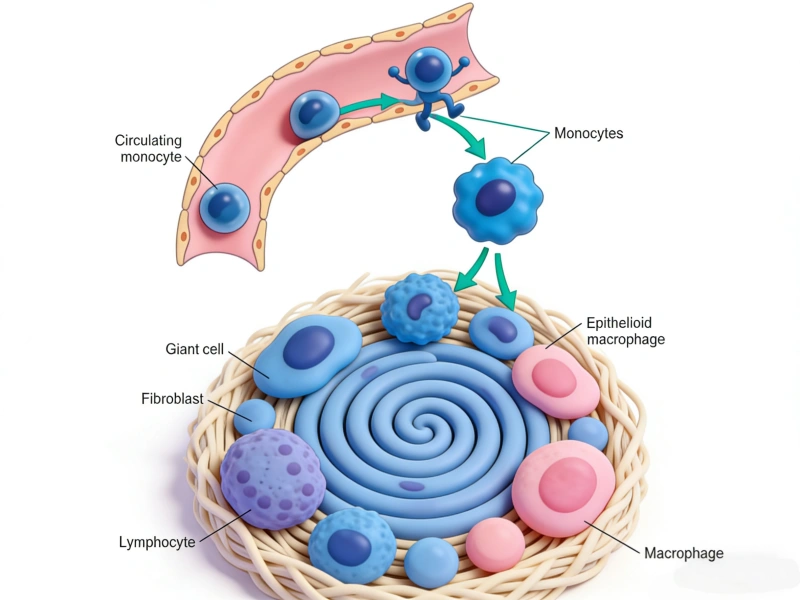
What Is a Granuloma?
A granuloma is a localized proliferative lesion caused by chronic inflammation or infection, commonly affecting the skin and soft tissues of dogs and cats. Clinical signs often include redness, swelling, nodules, ulceration, and sometimes pus formation.
Common types include pyogenic granulomas, foreign body granulomas, and chronic inflammatory granulomas such as acral lick granulomas.
Among these, acral lick granulomas are particularly challenging. Animals repeatedly lick the affected area due to pain or itching, creating a cycle of irritation and temporary relief that leads to chronic, difficult-to-manage lesions.
Traditional treatments—such as antibiotics, anti-inflammatory drugs, and surgical excision—can be effective, but often involve long treatment courses, recurrence risks, and variable healing outcomes.
How Laser Therapy Works
With advances in veterinary technology, laser therapy has become an important adjunct in granuloma management. Its effectiveness lies in the combination of photothermal effects and photobiomodulation (PBM).
High-power laser energy can precisely remove diseased tissue through controlled thermal effects, causing protein denaturation and coagulation while providing effective hemostasis.
Low-level laser therapy works at the cellular level by enhancing ATP production, improving microcirculation, and regulating inflammation, thereby supporting tissue repair and regeneration.
Benefits in Lick Granulomas
A key challenge in lick granulomas is the “itch–lick cycle.” Pain or irritation triggers licking behavior, which temporarily relieves discomfort but ultimately worsens inflammation and increases nerve sensitivity.
Laser therapy can help modulate nerve signaling, reducing the transmission of pain and itch sensations and helping break this cycle. At the same time, PBM promotes tissue remodeling, improves local blood flow, and may inhibit certain pathogenic microorganisms.
By addressing inflammation, neural activity, and tissue repair simultaneously, laser therapy offers a multi-dimensional approach to managing chronic lesions.
Clinical Outcomes and Considerations
Compared to conventional treatments, laser therapy offers several advantages, including minimal bleeding, faster recovery, reduced scarring risk, and improved patient comfort.
For small and superficial pyogenic granulomas, noticeable improvement is often observed after one to two sessions, with recovery typically occurring within one to two weeks.
However, laser therapy is not suitable for all cases. Infections or immune-related conditions may still require combined medical treatment. Additionally, if underlying causes such as foreign bodies or persistent irritation are not addressed, recurrence may occur.
Advancements in Laser Technology
Modern veterinary laser systems are evolving toward multi-wavelength integration and standardized treatment protocols.
For example, the LYRA veterinary laser system developed by Ailucs features multi-wavelength output to address different tissue depths, along with high-power capability to enhance treatment efficiency while maintaining safety. Preset treatment protocols further simplify operation, making laser therapy more accessible and consistent in clinical practice.
Such systems are widely used not only in dermatology, but also in pain management, wound healing, and rehabilitation, supporting broader adoption of laser therapy in veterinary clinics.
Conclusion
Laser therapy provides a safe, minimally invasive, and effective solution for managing granulomas. By addressing inflammation, neural regulation, and tissue repair simultaneously, it not only alleviates clinical symptoms but also improves the local healing environment.
As technology continues to advance, laser therapy is expected to play an increasingly important role in veterinary dermatology and chronic disease management.