
Laser Therapy After TPLO Surgery in Dogs: Recovery Timeline and Rehabilitation Guide
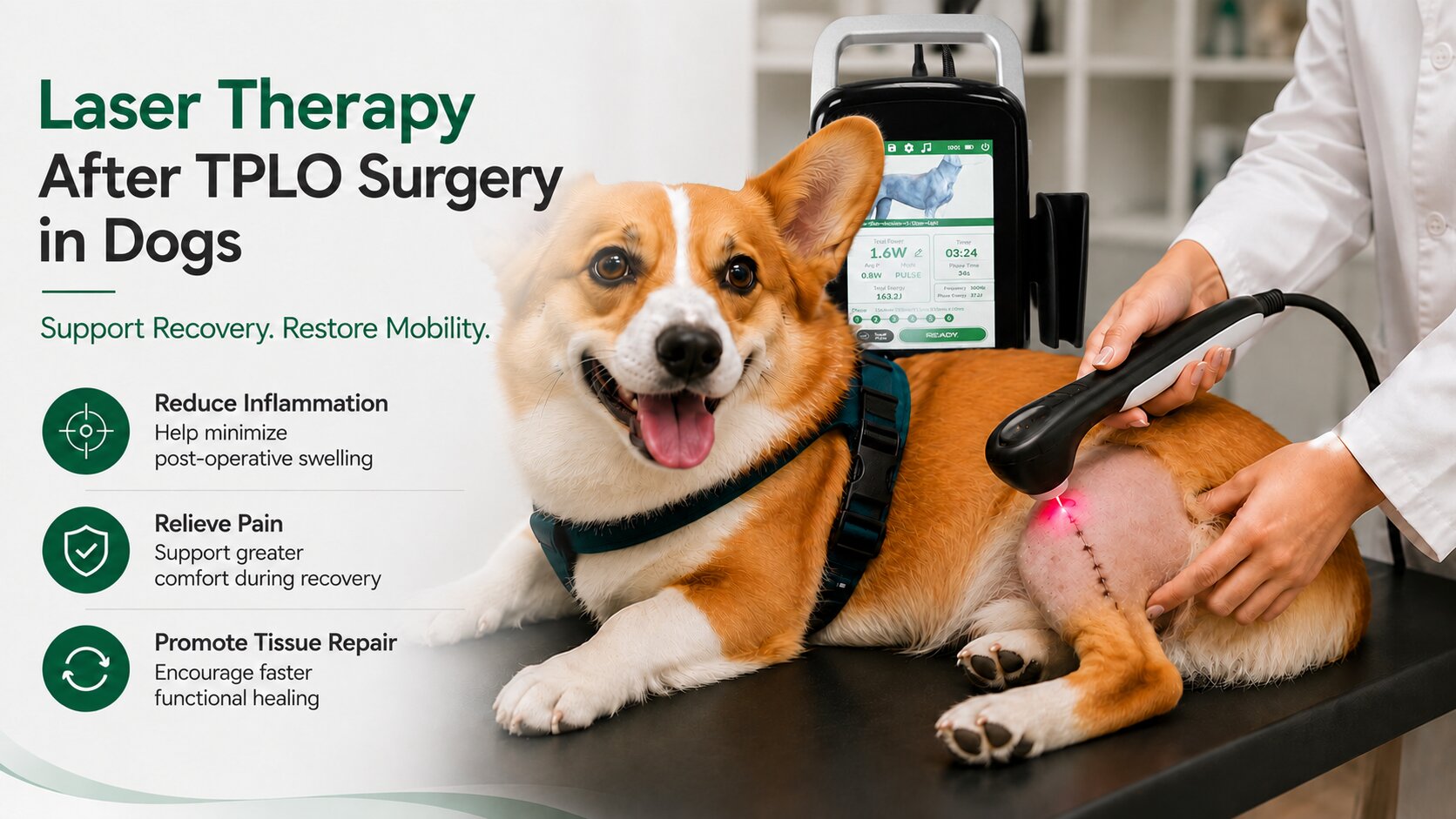
Laser Therapy After TPLO Surgery in Dogs: Can It Improve Recovery?
Introduction
Every year, thousands of dogs undergo Tibial Plateau Leveling Osteotomy (TPLO) to treat cranial cruciate ligament (CCL) rupture. The procedure has become one of the most reliable surgical options for restoring stifle stability and helping dogs return to normal activity.
However, successful surgery is only the beginning of recovery.
During the first several weeks after TPLO, many dogs experience pain, swelling, reduced weight bearing, muscle loss, and limited joint mobility. Even with a well-performed surgery, rehabilitation plays a critical role in determining how comfortably and confidently a patient regains function.
This is why an increasing number of veterinary rehabilitation programs now incorporate therapeutic laser therapy, also known as photobiomodulation (PBM), alongside pain management, controlled exercise, and regular postoperative monitoring.
Rather than replacing surgery or medication, laser therapy is used as part of a multimodal rehabilitation approach that may help improve patient comfort, support tissue healing, and encourage earlier participation in rehabilitation exercises.
In this article, we'll explore what happens during TPLO recovery, when laser therapy is typically introduced, what current research suggests, and how it may support a smoother rehabilitation process for canine patients.
Why TPLO Recovery Is More Challenging Than Many Owners Expect
Although TPLO surgery successfully stabilizes the stifle joint, healing does not happen overnight. Recovery is a gradual biological process involving bone, muscles, ligaments, fascia, and surrounding soft tissues. Each structure heals at a different rate, making rehabilitation just as important as the surgery itself.
Immediately after surgery, inflammation is a normal part of healing. Mild swelling, temporary discomfort, reduced weight bearing, and reluctance to use the operated limb are commonly expected during the first several days. As healing progresses, the focus gradually shifts from protecting the surgical site to rebuilding strength, restoring joint mobility, and encouraging normal movement patterns.
Recovery is rarely a straight line. Age, body condition, pre-existing osteoarthritis, activity level, and overall health all influence recovery. Modern rehabilitation combines pain management, controlled exercise, regular reassessment, and supportive therapies tailored to each patient.
Laser therapy is one of these supportive therapies. Rather than accelerating recovery through a single mechanism, it is commonly incorporated into multimodal rehabilitation programs to help improve patient comfort and encourage participation in rehabilitation exercises throughout the healing process.
Where Does Laser Therapy Fit Into a TPLO Rehabilitation Program?
Laser therapy is typically integrated into a broader rehabilitation program rather than being used as a stand-alone treatment.
Days 1–7: Focus on pain management, swelling control, incision monitoring, protected weight bearing, and careful movement. When recommended by the attending veterinarian, laser therapy may be introduced to support patient comfort and help regulate the normal inflammatory response associated with surgery.
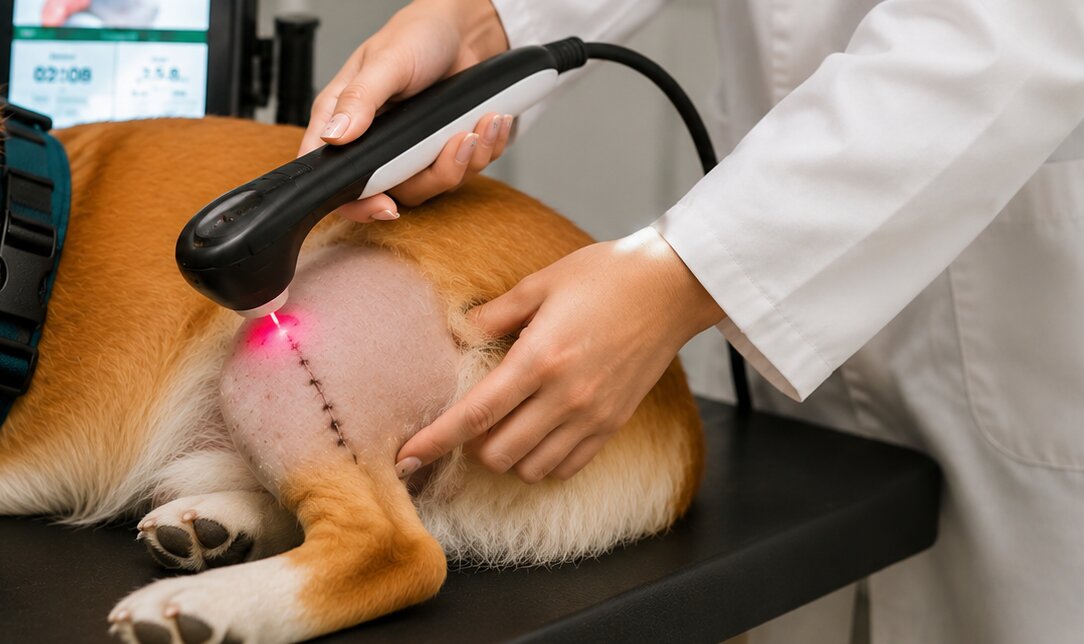
Weeks 2–4: Rehabilitation shifts toward restoring movement through controlled exercises such as passive range-of-motion exercises, sit-to-stand movements, balance training, and progressively longer leash walks. Laser therapy is often incorporated alongside these exercises because improved comfort may encourage more consistent participation.
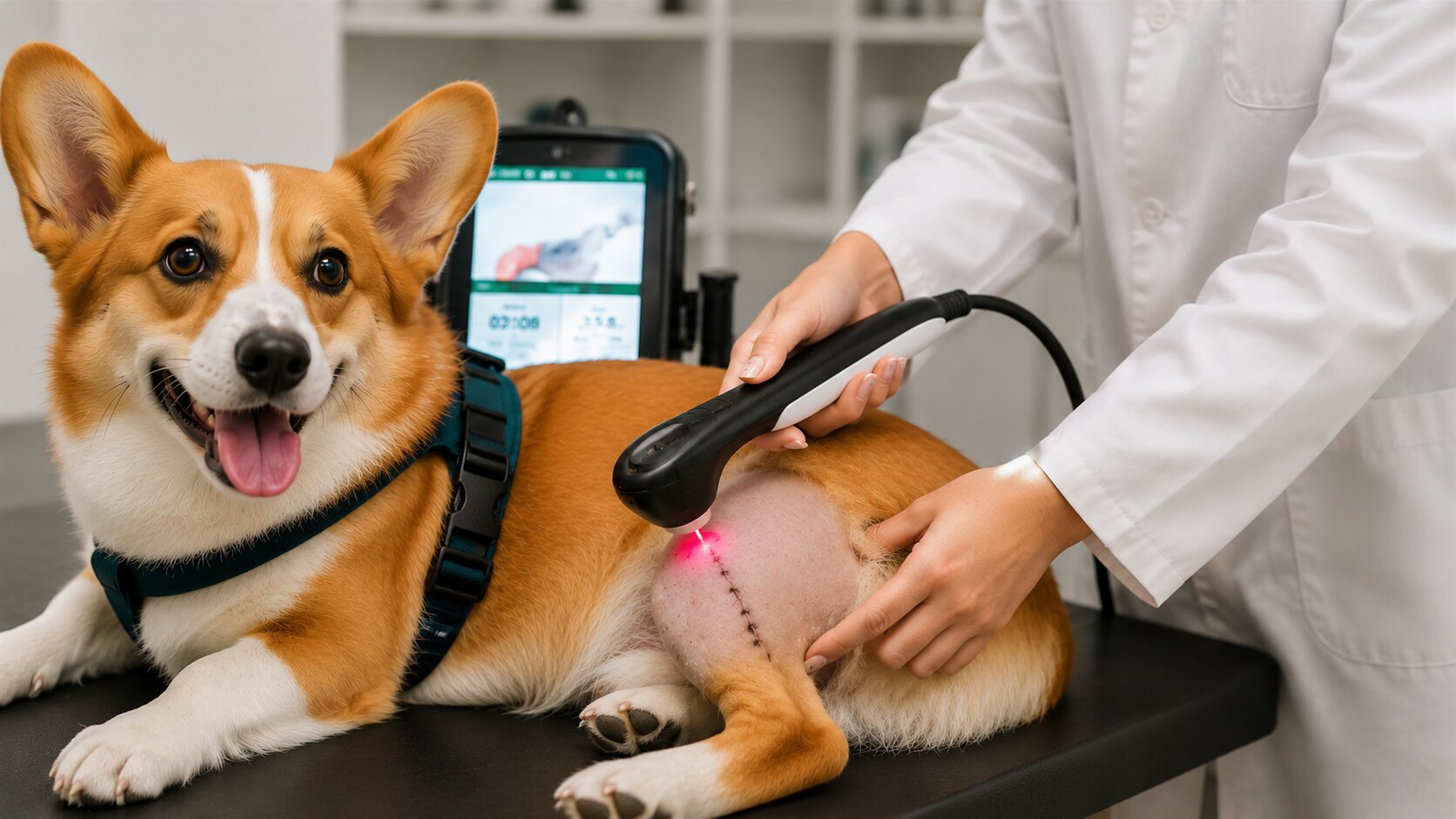
Weeks 4–8: As weight bearing improves, rehabilitation emphasizes rebuilding muscle mass, improving gait symmetry, and restoring endurance. Laser therapy continues to serve as a supportive modality, particularly following rehabilitation sessions.
Weeks 8–12: The goal is to restore balanced movement and comfortable daily activity. Rehabilitation plans—including laser therapy frequency—should always be individualized according to the patient's progress.

Clinical Recovery in Practice
Every TPLO patient recovers at a different pace, but rehabilitation generally follows a similar progression.
During the first postoperative week, the primary goals are pain management, swelling control, incision monitoring, and protected weight bearing. As healing progresses, controlled exercises such as leash walking, sit-to-stand movements, and range-of-motion training are gradually introduced to restore mobility and muscle function.
Laser therapy is often incorporated throughout this rehabilitation process as a supportive modality. Rather than replacing medication or physical rehabilitation, it may help improve patient comfort, allowing dogs to participate more consistently in prescribed rehabilitation exercises.
In a typical Labrador Retriever recovering from TPLO, gradual improvements in weight bearing and gait quality are commonly observed over the first month, followed by progressive muscle strengthening and return to normal daily activity during the following weeks. Recovery timelines vary, and rehabilitation programs should always be individualized under veterinary supervision.
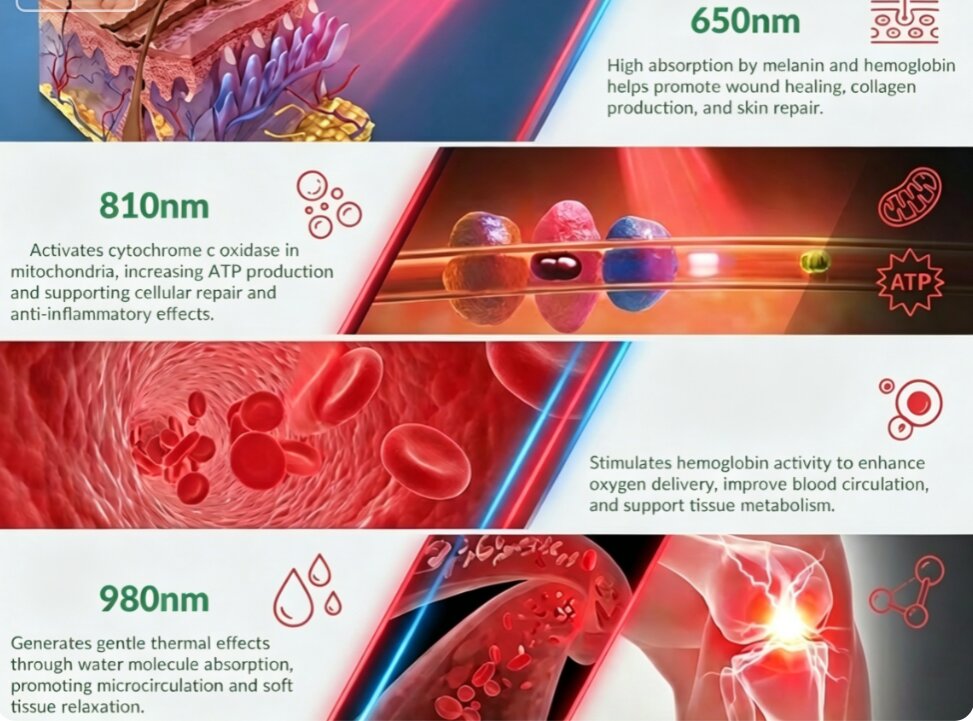
What Does Current Research Tell Us About Laser Therapy After TPLO?
Current evidence suggests that photobiomodulation (PBM) may support postoperative recovery when incorporated into a comprehensive rehabilitation program.
Published studies indicate that laser therapy may help regulate inflammatory responses, improve local microcirculation, stimulate ATP production, support collagen synthesis, and encourage tissue repair. These biological effects may improve patient comfort and facilitate participation in rehabilitation exercises.
However, laser therapy should not be considered a replacement for surgery, pain medication, or physical rehabilitation. Instead, it is best viewed as an adjunctive therapy that complements evidence-based postoperative care.
Although additional large-scale controlled studies are still needed, the growing body of research has contributed to the wider adoption of laser therapy in veterinary rehabilitation.
Frequently Asked Questions
When can laser therapy start after TPLO surgery?
Treatment timing depends on the individual patient and the surgeon's recommendations. In many rehabilitation programs, laser therapy may begin within the first several postoperative days when appropriate.
How many sessions are usually required?
There is no universal treatment schedule. Frequency depends on healing progress, inflammation, rehabilitation goals, and individual response.
Can laser therapy replace pain medication?
No. Laser therapy is commonly used alongside medication, controlled exercise, and physical rehabilitation rather than replacing them.
Is laser therapy safe?
When administered by trained veterinary professionals using appropriate treatment parameters, it is generally considered safe and well tolerated.
Will laser therapy help my dog recover faster?
Laser therapy may support healing and improve comfort, but recovery also depends on surgery, rehabilitation, nutrition, owner compliance, and overall patient health.
When can my dog return to normal exercise?
Most dogs require several weeks of structured rehabilitation. Activity should increase gradually according to veterinary reassessment rather than a fixed timeline.
Supporting Recovery Is a Team Effort
TPLO surgery has transformed the treatment of cranial cruciate ligament rupture, but successful recovery depends on far more than the surgical procedure alone.
Pain management, progressive rehabilitation, owner commitment, and regular veterinary reassessment all contribute to long-term success. Therapeutic laser therapy may improve patient comfort and support the biological processes involved in healing when incorporated into a veterinarian-directed rehabilitation program.
Ultimately, the goal is not simply to eliminate lameness, but to restore comfortable movement, rebuild confidence, and help each dog return safely to normal daily activities. By combining evidence-based rehabilitation with individualized patient care, veterinarians can support the best possible long-term outcome for their patients.