
High Intensity Laser Therapy for Discogenic Low Back Pain
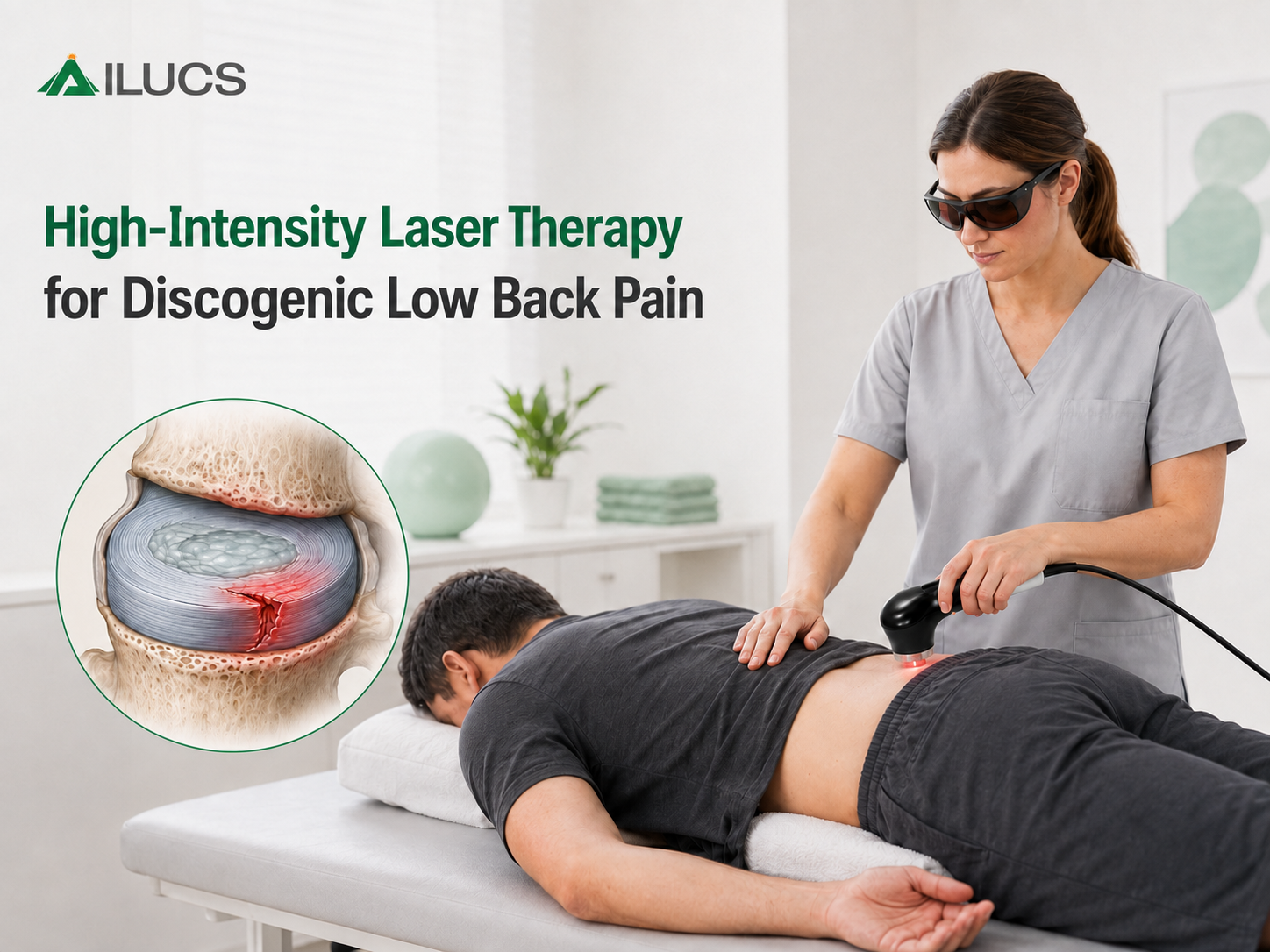
High-Intensity Laser Therapy for Discogenic Low Back Pain
LYRA 26 W Four-Wavelength Platform: From Deep-Tissue Pain Relief to Tissue Repair Support
Low back pain does not always mean a "herniated disc." Some patients experience recurrent low back pain even when CT or MRI shows no obvious herniation or nerve-root compression. Symptoms may still worsen with prolonged sitting, bending, lifting, or maintaining the same position. In these cases, the pain may arise not from a disc bulging outward, but from internal disc degeneration, microdamage within the annulus fibrosus, and inflammatory irritation. This is known as discogenic low back pain.
Conventional superficial physical therapy modalities may help relieve muscle tension, but when deep lumbar structures are involved, the clinical response often depends on whether adequate energy reaches the target area. High-Intensity Laser Therapy (HILT) combines high power, efficient energy delivery, and configurable treatment parameters to extend photobiomodulation beyond superficial comfort toward the treatment of deeper and broader regions of the lower back.
Where Does Discogenic Low Back Pain Originate?
A healthy intervertebral disc consists of an outer annulus fibrosus and an inner nucleus pulposus. Aging, prolonged sitting, repeated bending and lifting, poor posture, or sports-related injury can create small fissures in the annulus. These changes may trigger the release of inflammatory mediators, local nerve sensitization, and protective spasm of the paraspinal muscles. Patients typically report deep central or bilateral low back pain that worsens with sitting or flexion. Referred pain into the buttocks may occur, but classic radiating leg pain is not always present.
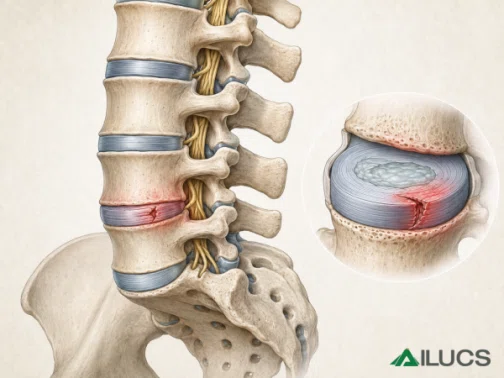
Figure 1. Schematic of microdamage to the annulus fibrosus. Internal structural injury and inflammatory irritation can contribute to discogenic low back pain.
The absence of an obvious herniation on imaging does not mean that the internal disc structure is completely normal. Diagnosing discogenic pain requires correlation of symptoms, physical examination, and imaging findings, along with medical evaluation to exclude nerve compression, fracture, infection, tumor, and other causes. Once the pain source has been identified, treatment goals should extend beyond temporary symptom relief to include inflammatory control, tissue repair, and restoration of lumbar function.
Why Is HILT Well Suited to Deeper Low Back Pain?
HILT is delivered using a Class IV therapeutic laser. Compared with lower-power light therapy, its key advantage is not simply that it is "hotter" or has a higher power rating. It can deliver a clinically appropriate total energy within a practical treatment time, while allowing clinicians to shape energy distribution in tissue through scanning speed, spot size, pulse frequency, and wavelength selection.
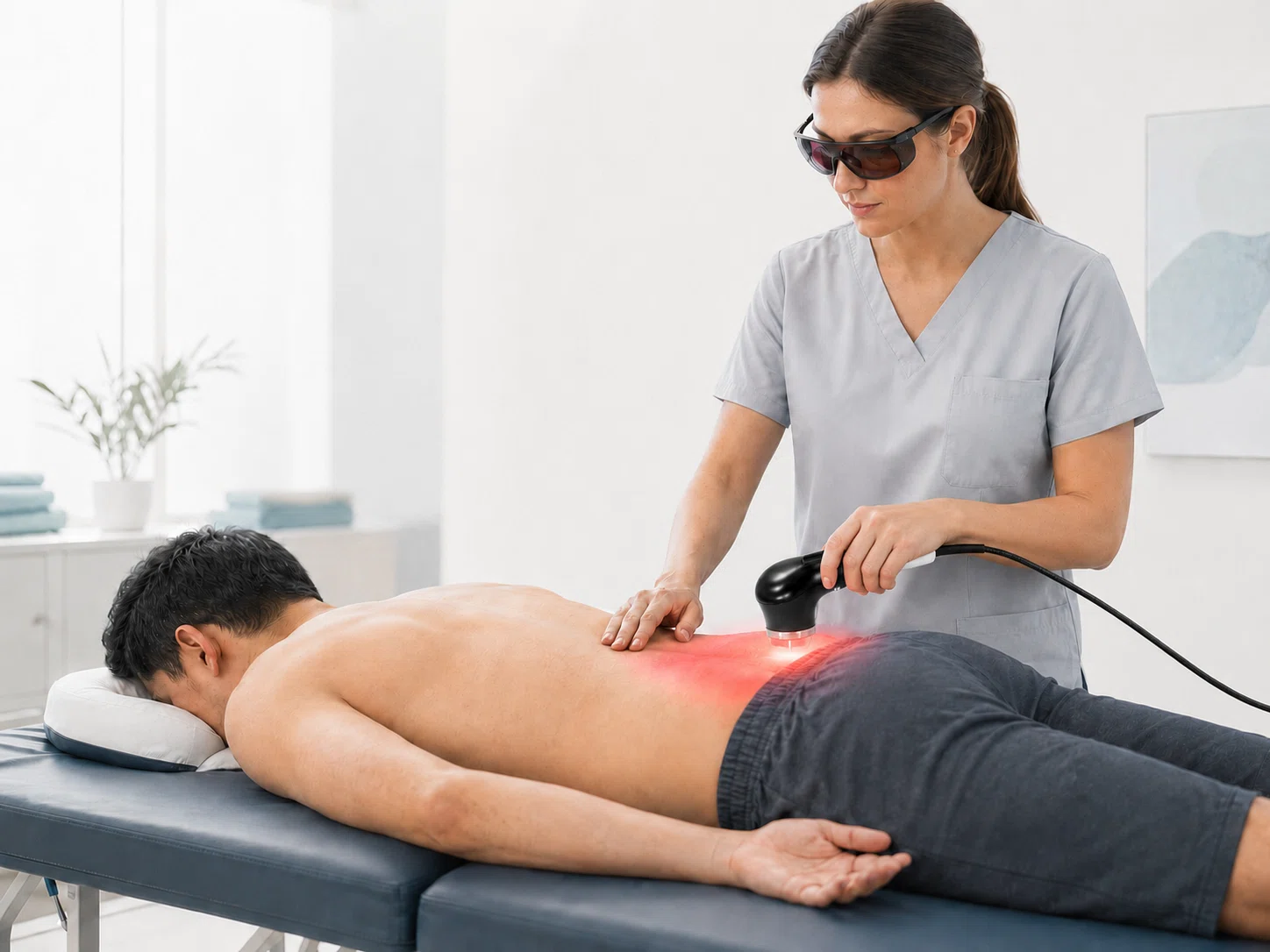
Figure 2. HILT treatment of the lower back. A moving application technique and controlled parameters deliver the planned energy across the target area.
· Greater energy-delivery efficiency: A maximum output of 26 W provides ample power reserve for larger, deeper treatment areas such as the lower back, helping clinicians reach the planned dose without excessively long sessions.
· More adaptable depth coverage: Because wavelengths differ in their absorption and scattering in skin, blood, water, and soft tissue, multiwavelength delivery can address superficial soft tissue, paraspinal muscle, fascia, and deeper treatment targets.
· Greater clinical control: Clinicians can adjust power, dose, and output mode according to the stage of pain, target depth, treatment area, and patient tolerance instead of applying the same parameters to every case of low back pain.
About treatment depth: Actual light distribution is affected by subcutaneous fat, muscle thickness, skin pigmentation, applicator pressure, scanning technique, and dose. Compared with shorter wavelengths, 1064 nm generally offers more favorable deep-tissue propagation. The 26 W power output and four-wavelength combination improve energy-delivery efficiency in deeper regions while providing more continuous coverage from superficial to deep tissue.
How Do LYRA's Four Wavelengths Work Together?
LYRA integrates 650 nm, 810 nm, 915 nm, and 1064 nm within a single high-intensity laser platform. The wavelengths are not simply added together; each contributes a distinct tissue-interaction profile and therapeutic role. This allows treatment design to progress from superficial tissue preparation and cellular-energy support to deeper pain modulation and tissue-repair support.
| Parameter | Primary Therapeutic Role | Clinical Relevance in Discogenic Low Back Pain |
| 650 nm | Superficial photobiomodulation | Well suited to skin, superficial fascia, and other shallow soft tissues, supporting local microcirculation and recovery across the treatment area. |
| 810 nm | Cellular energy and repair signaling | Located within a widely used near-infrared therapeutic window, 810 nm can interact with mitochondrial photoreceptors, support ATP production and repair-related signaling, and promote recovery in muscle, fascia, and tissues surrounding the annulus fibrosus. |
| 915 nm | Inflammatory modulation and mid-to-deep tissue coverage | Supports energy delivery to deeper soft tissues and can be incorporated into protocols targeting paraspinal muscle tension, local inflammatory responses, and pain sensitization. |
| 1064 nm | Deep-tissue propagation and neuromuscular targets | Its relatively low scattering makes it well suited for energy delivery to deeper paraspinal muscles, fascia, and perineural regions, making it an important component of treatment for deeper low back pain. |
| Maximum 26 W | Efficient delivery of the planned dose | Provides power reserve for large, deep treatment areas of the lower back, allowing the planned total energy to be delivered efficiently at an appropriate scanning speed while retaining the flexibility to reduce power for individual patients. |
Note: Wavelength determines how light interacts with tissue, while power determines the rate of energy delivery. Clinical outcomes also depend on total dose, treatment area, output mode, and application technique.
Beyond Pain Relief: Five Mechanisms That Support Recovery
1. Photobiomodulation: Supporting Cellular Energy and Repair Responses
When red and near-infrared light is absorbed by tissue photoreceptors, it can influence mitochondrial electron transport, cytochrome c oxidase-related pathways, and nitric oxide and reactive oxygen species signaling. These effects can support ATP production and modulate gene expression involved in cell migration, protein synthesis, antioxidant defense, and inflammation. In discogenic low back pain, the therapeutic aim can therefore extend beyond lowering pain intensity to improving the repair environment for the injured annulus and adjacent soft tissues.
2. Inflammatory Modulation: Reducing Ongoing Irritation and Interrupting the Pain Cycle
Inflammatory mediators released after disc microdamage can continue to stimulate nociceptors and contribute to paraspinal muscle tension. HILT can help modulate inflammation-related signals, including TNF-α and IL-1β, thereby reducing local inflammatory burden and pain sensitization. As the inflammatory environment improves, tissue is better positioned to enter a stable repair phase instead of remaining in a recurring pain-spasm-reduced activity-pain cycle.
3. Microcirculation and Fluid Exchange: Improving the Delivery of Oxygen and Nutrients
Photobiomodulation and controlled thermal effects can support local blood flow and microcirculation, helping oxygen and nutrients reach the affected tissues while accelerating the clearance of inflammatory metabolites. In chronic low back pain, improving circulation within the paraspinal muscles and fascia can reduce stiffness, fatigue, and protective spasm, while creating better tissue conditions for subsequent exercise therapy.
4. Neuromodulation: Reducing Pain Transmission Rather Than Simply Numbing Pain
The analgesic effects of HILT involve peripheral nociceptors, Aδ and C pain fibers, and endogenous pain-inhibitory systems. By reducing nociceptive signal transmission, lowering pain-related mediators, and increasing the pain threshold, HILT can make it easier for patients to resume movement. More importantly, once pain is reduced, patients can participate earlier in core stabilization, range-of-motion work, and postural retraining, helping translate analgesia into functional improvement.
5. Controlled Photothermal Effects: Relaxing Deep Muscle and Improving Tissue Extensibility
When parameters are selected appropriately and the applicator is kept moving, HILT can produce a gentle, controlled deep-warming effect that helps relax tense paraspinal muscles and thoracolumbar fascia while improving tissue extensibility. This thermal effect complements rather than replaces photobiomodulation: the former can improve immediate comfort and movement conditions, while the latter supports recovery at the cellular level.
5. Can HILT Repair an Intervertebral Disc? The More Accurate Answer: It Can Support Repair, Not Just Relieve Pain
Tissue repair can be an explicit therapeutic goal of HILT. By supporting cellular energy, modulating inflammation, improving microcirculation, and reducing neural sensitization, HILT can create a more favorable recovery environment for microdamage of the annulus fibrosus, injury to the paraspinal muscles and fascia, and perineural inflammatory responses. This support is particularly relevant in early-to-moderate degeneration, recurrent microinjury, and chronic inflammatory states where repair potential remains.
Clinically, it is more accurate to describe HILT as more than a way to mask symptoms: while reducing pain, it actively supports natural tissue repair and functional restoration. Outcomes remain closely related to the stage of degeneration, symptom duration, dose design, and whether treatment is combined with active rehabilitation. Integrating HILT with core-stability training, postural correction, and load management is more likely to produce sustained improvement.
6. What Does Clinical Research Show?
The available research points in a broadly consistent direction: in low back pain, the principal benefits of HILT are reductions in pain, improvements in disability, and recovery of mobility. Combining HILT with exercise therapy generally provides a stronger foundation for maintaining results than passive treatment alone.
· Discogenic low back pain: A retrospective study of 100 patients reported statistically significant improvements in Numeric Pain Rating Scale (NPRS) scores and the Oswestry Disability Index (ODI) following HILT.
· Systematic review of low back pain: A 2023 systematic review and meta-analysis found that HILT significantly reduced pain intensity and improved ODI and Roland-Morris disability outcomes compared with control interventions.
· Meta-analysis of musculoskeletal pain: An analysis of 12 randomized controlled trials found that HILT generally outperformed control treatments for pain and disability, with similarly positive findings in the low back pain subgroup.
· Long-term outcomes: A randomized, blinded, placebo-controlled trial found that combining HILT with exercise produced sustained improvements in pain and function, reinforcing its role as part of an active rehabilitation program.
This evidence supports the therapeutic principles and clinical direction of HILT. LYRA's 26 W power reserve and 650/810/915/1064 nm four-wavelength combination provide the technical foundation clinicians need to tailor parameters more precisely to tissue depth and treatment goals.
7. Which Patients May Be Appropriate Candidates for HILT?
· Patients with predominantly axial low back pain that worsens with prolonged sitting, bending, or lifting, where clinical evaluation suggests a discogenic origin.
· Patients with lumbar degeneration accompanied by paraspinal muscle spasm, fascial tightness, restricted movement, or recurrent inflammatory irritation.
· Patients seeking a non-invasive approach to reduce pain, improve mobility, and transition more quickly into active rehabilitation.
· Patients with residual pain or soft-tissue tightness after surgery or an interventional procedure who require adjunctive rehabilitation under clinician supervision.
Rule out conditions requiring urgent medical assessment first: Progressive muscle weakness, saddle anesthesia, changes in bladder or bowel function, fever accompanied by low back pain, major trauma, or suspected tumor or infection should not be self-treated with physical modalities. These findings require medical diagnosis and management before rehabilitation is considered.
8. Getting Full Value from 26 W and Four Wavelengths: Parameters Matter More Than Maximum Output
Power (W) describes the rate at which energy is delivered; power and treatment time together determine total energy (J). In clinical use, wavelength combination, power, dose, frequency, and scanning speed should be selected according to treatment area, target depth, tissue status, phase of the condition, and the patient's thermal tolerance. During an acute inflammatory phase, priorities include comfort, minimal heat accumulation, and inflammatory modulation. In chronic presentations, energy delivery may be increased within the patient's tolerance and advanced alongside active exercise therapy.
This is the practical advantage of LYRA's 26 W four-wavelength platform. Rather than relying on one wavelength for every clinical need, it enables clinicians to design treatment across superficial, intermediate, and deep targets and around the linked goals of inflammation control, pain relief, tissue repair, and function. Each session can therefore be aligned more closely with the specific lesion and rehabilitation objective.
Conclusion: Moving Beyond Pain Relief Toward Tissue Repair and Functional Restoration
Discogenic low back pain may persist even when imaging shows no obvious herniation, affecting sitting, standing, work, and exercise. Through deep-tissue energy delivery, photobiomodulation, inflammatory control, neuromodulation, and improved microcirculation, HILT offers a non-invasive treatment pathway that can be integrated with active rehabilitation.
LYRA combines four therapeutic wavelengths—650, 810, 915, and 1064 nm—within a high-power 26 W platform to address different tissue depths and treatment goals. Its value lies not only in reaching deeper targets and relieving pain efficiently, but also in providing comprehensive technical support for tissue recovery, restored mobility, and long-term functional improvement.
Pain relief is only the beginning. Restoring tissue health and functional movement is the ultimate goal.
Medical notice: This article is intended for health education and an overview of the underlying technology. It is not a substitute for diagnosis. Treatment parameters and course of care should be determined by a qualified healthcare professional following an individual assessment.
References
[1] Abdildin Y, et al. High-intensity laser therapy in low back pain management: a systematic review with meta-analysis. Lasers Med Sci. 2023;38:166. DOI
[2] Song HJ, et al. Effectiveness of high intensity laser therapy in musculoskeletal disorders: a systematic review and meta-analysis of randomized controlled trials. Medicine. 2018;97:e13126. DOI
[3] Alayat MSM, et al. Long-term effect of high-intensity laser therapy in chronic low back pain: a randomized blinded placebo-controlled trial. Lasers Med Sci. 2014;29:1065–1073. DOI
[4] de Freitas LF, Hamblin MR. Proposed Mechanisms of Photobiomodulation or Low-Level Light Therapy. IEEE J Sel Top Quantum Electron. 2016;22:7000417. DOI
[5] Tao Z, Guan R, Chen C, et al. Evaluation of high-energy laser therapy for patients with discogenic low back pain. Journal of Anhui Medical College. 2022;(5). [In Chinese].