Laser Therapy: A Powerful Way to Boost Veterinary Clinic Revenue
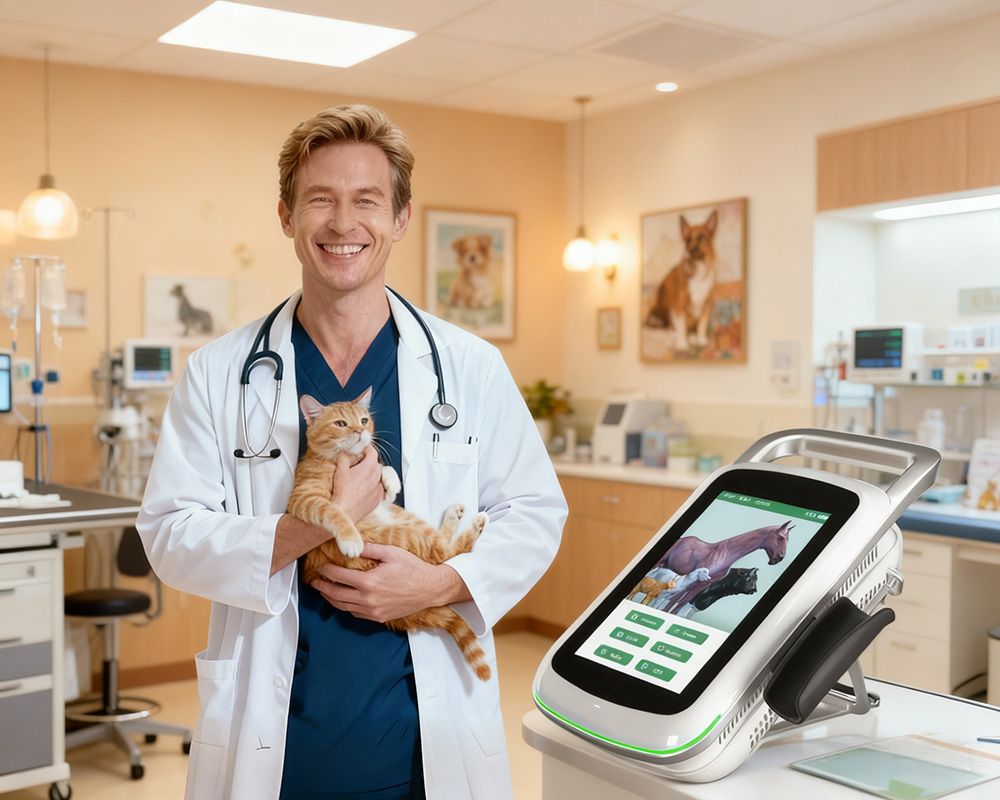
As the global pet healthcare market continues to grow rapidly, competition among veterinary clinics is shifting. Instead of focusing solely on basic treatment, clinics are now expected to provide effective, comfortable, and low-stress medical experiences. Among these trends, pain-free rehabilitation services have become a key driver of client satisfaction, repeat visits, and clinic revenue. One of the most impactful technologies in this field is Laser Therapy—a non-invasive, drug-free, painless treatment now widely adopted by veterinary hospitals, rehabilitation centers, and mobile vets.
Based on global market trends and clinical experience, Ailucs Laser explains how veterinary laser therapy can help clinics increase profitability and integrate smoothly into daily practice.
1. The Evolution of Veterinary Care: From “Treating Disease” to “Comfort-Oriented Therapy”
In the past, veterinary medicine focused primarily on symptom-based treatment. Today, as pets increasingly become true family members, pet owners’ expectations for medical services have changed significantly:
Gentler treatment that minimizes pain and discomfort
Safer approaches with little to no side effects
Faster recovery, reducing the stress of repeated visits
A friendlier treatment experience, so pets no longer fear clinical procedures
Long-term, structured health management for senior pets rather than one-time interventions
Driven by these evolving needs, pain-free, non-invasive, and sustainable rehabilitation therapies have rapidly become a major growth area for veterinary hospitals worldwide. Among these, laser therapy stands out as one of the most widely adopted technologies due to its safety, effectiveness, and high level of patient acceptance.
2. What Is “Pain-Free Rehabilitation,” and Why Has It Become a Global Trend?
Pain-free rehabilitation refers to treatment methods that require no surgery, no anesthesia, cause no secondary trauma, and can be completed within a short session. These therapies share several key characteristics:
Minimal or no medication dependence
Very low risk of side effects, offering high safety
A treatment experience that keeps pets relaxed and is easy for owners to accept
Ideal for managing chronic, long-term, or multi-session conditions
In modern veterinary medicine, pain-free rehabilitation has become a well-developed therapeutic system. Common components include:
Laser therapy (Laser Physiotherapy)
Physical therapy (cold therapy, heat therapy, pulsed therapy, etc.)
Chiropractic adjustments
Hydrotherapy / underwater treadmill
Soft tissue manual therapy
Among all these options, laser therapy is the easiest to implement, has the lowest learning threshold, and offers the fastest return on investment for clinics. With its excellent safety profile and strong clinical outcomes, it has already become a standard feature in veterinary hospitals and rehabilitation centers across North America, Europe, and Australia.
3. How Laser Therapy Helps Clinics Increase Revenue
1) Higher Revenue per Visit with Clear Pricing Models
Laser therapy services can be billed flexibly:
Single session
3–5 session rehab package
10-session arthritis care program
Post-operative recovery package
In many regions, laser therapy is priced at $25–$75 per session. For clinics, this is a low-cost, high-return premium service that can be implemented immediately.
2) Optimize the Treatment Process and Enhance Client Trust
Many conditions require phased and continuous treatment, and pet owners often prefer to complete the entire rehabilitation cycle at a single, trustworthy clinic. The Ailucs Lyra Laser Therapy Device features a patient record system and customizable treatment plans, enabling veterinarians to access treatment history at any time, achieve precise tracking, and manage long-term care efficiently. This enhances professional credibility and improves the follow-up experience. When pet owners see real treatment results, they are more willing to continue the full course at the same clinic.
For example:
Arthritis: 4–10 sessions
Postoperative recovery: 2–4 weeks
Wound healing: 3–6 sessions
Nerve injuries: multiple treatment cycles
This regular, phase-based treatment approach allows clinics to schedule treatments more reliably, reduce downtime, improve overall operational efficiency, and increase long-term revenue.
3) Strong Differentiation: Build a Modern, Premium Clinic Image
Laser therapy strengthens a clinic’s brand identity through:
A more advanced and professional appearance
Higher client trust and willingness to commit to long-term care
Strong social media content (before–after results)
Increased word-of-mouth referrals
Clinics offering advanced medical laser equipment often stand out immediately in competitive markets.
4) Higher Customer Satisfaction Through Visible Results
One of the biggest advantages of Pet Laser Therapy is visible improvement:
Faster wound healing
Improved mobility in older pets
Rapid reduction in inflammation or skin issues
Noticeably reduced swelling after surgery
These quick, observable improvements help owners clearly recognize the value of laser treatment. Ailucs Lyra Veterinary Laser Therapy Equipment uses CE-certified medical components and passes biocompatibility and safety testing—ensuring reliable clinical results.
4. Which Conditions Are Ideal for Veterinary Laser Therapy?
Veterinary laser therapy is widely used around the world for various conditions, including:
Arthritis & Chronic Pain – Especially beneficial for senior pets requiring long-term care.
Wounds & Post-Operative Recovery – Accelerates healing for bite wounds, lacerations, and surgical incisions.
Skin Inflammation & Dermatology – Effective for hot spots, eczema, and allergic dermatitis, often improving outcomes faster than medication alone.
Nerve Damage & Paralysis Rehabilitation – Supports recovery after intervertebral disc surgery.
Sports Injuries & Soft Tissue Disorders – Treats muscle strains, tendon injuries, and ligament problems.
Senior Pet Health Management – Enhances comfort, mobility, and overall quality of life safely and pain-free.
5. How to Choose the Right Laser Therapy Device?
A high-quality Laser Rehabilitation Device should meet five criteria:
1) Simple, Beginner-Friendly Operation
Laser Therapy Instruments with intuitive interfaces are used more often.
Lyra: 4000+ preset protocols → simple operation. Suitable for veterinarians and technicians.
2) Stable Energy Output = Consistent Results
Unstable output means inconsistent treatment.
Lyra: 5800mAh Japanese Sanyo battery → reliable, constant power. Ensures repeatable clinical results.
3) Multi-Wavelength & Multi-Mode
Different depths require different wavelengths.
Lyra offers: 650nm / 810nm / 915nm / 980nm / 1064nm
CW / Pulsed / Super-pulsed modes
4) Professional, Portable, Durable Design
Lyra is engineered with:
One-piece molded engineering plastic shell
CNC aluminum alloy frame
8.8-inch HD touchscreen
Only 2.9kg, includes shoulder strap—perfect for hospital rooms and mobile visits.
5) Reliable Training & After-Sales Support
Laser therapy requires proper clinical understanding.
Ailucs Laser provides:
20+ years in medical laser technology
Full hardware & software in-house development
Global remote training
Dedicated after-sales service
Conclusion
Laser Therapy Is Becoming Essential Equipment for Modern Veterinary Clinics. As global trends shift toward:
Comfort care
Pain-free treatment
Long-term management
Laser therapy is evolving from an optional service to a standard clinical tool. It helps clinics achieve:
Higher client retention
Higher revenue per visit
Better treatment experience
Stronger competitive advantage
Ailucs Laser Therapy Technology offers clinics a simple, safe, low-cost solution that delivers long-term value.
If you’d like more information about laser therapy devices, clinical protocols, purchasing guidance, or case studies, contact us anytime—we’re here to support your success.